Latest Posts

Visions of Zarua by Suzanne Rogerson, Released today!!

This is very exciting, Visions of Zarua has just been released today by Suzanne Rogerson, who is a reader of this site.  She has very kindly agreed to write a post on the background to the novel and the process she used in producing the book.  (Thomas Brooke)

Visions of Zarua MY COVER

Log line
Two wizards, 350 years apart. Together they must save the realm of Paltria from Zarua’s dark past.

An ancient darkness haunts the realm of Paltria.

Apprentice wizard Paddren is plagued by visions of a city on the brink of annihilation. When his master Kalesh dies in mysterious circumstances, the Royal Order of Wizards refuses to investigate.

Helped by his childhood friend, the skilled tracker Varnia, and her lover Leyoch, Paddren vows to find the killer.

The investigation leads Paddren down a sinister path of assassins, secret sects and creatures conjured by blood magic. But he is guided by a connection with a wizard from centuries ago – a wizard whose history holds the key to the horror at the heart of the abandoned city of Zarua. Can Paddren decipher his visions in time to save the Paltrian people from the dark menace of Zarua’s past?

Visions of Zarua now from amazon.com amazon.co.uk  kobo  itunes  nook 
2015 author photo 2015
Background to Visions of Zarua, by Suzanne Rogerson.

The process of finishing Visions of Zarua has taken over ten years. I started when my son was a baby, scribbling away during his nap times. Then I put it aside and wrote another novel while attending evening classes and correspondence courses. A couple of years ago I decided I’d learnt enough to revisit that first draft.

Originally I intended to tell the story in two books. The first would’ve been Paddren’s story as he tried to decipher his nightmarish visions. Each chapter started with a diary extract from the past that tied in with his visions. The second book would’ve been a prequel novella telling Jago’s story of what happened in Zarua 350 years before Paddren’s began.

Somehow things weren’t working, so I used the Writers Workshop critique service.

The editor gave lots of helpful suggestions, including combining the two timelines into one book.

I removed the diary entries and instead integrated Jago’s story throughout, slotting it into the book every third chapter – starting at chapter 4. The new format has really brought both Paddren and Jago’s stories alive. I’ve loved writing Jago’s chapters using the first person viewpoint, which also helps set his scenes apart from Paddren’s.

Rewriting and editing this novel has been such a big part of my life that it’s hard to let go. I feel like a nervous mother watching her toddler go off to nursery for the first time.

It’s overwhelming to realise my childhood dream; it still doesn’t seem real.

And now that my first book is finally out there, I can’t wait to get my next book finished.

Biography of Suzanne Rogerson

Suzanne lives in Middlesex, England, with her hugely encouraging husband and two children.

She wrote her first novel at the age of twelve. She discovered the fantasy genre in her late teens and has never looked back. Giving up work to raise a family gave her the impetus to take her attempts at novel writing beyond the first draft, and she is lucky enough to have a husband who supports her dream – even if he does occasionally hint that she might think about getting a proper job one day.

Suzanne loves gardening and has a Hebe (shrub) fetish. She enjoys cooking with ingredients from the garden, and regularly feeds unsuspecting guests vegetable-based cakes.

She collects books, loves going for walks and picnics with the children and sharing with them her love of nature and photography.

Suzanne is interested in history and enjoys wandering around castles. But most of she likes to escape with a great film, or soak in a hot bubble bath with an ice cream and a book.

The Mistborn trilogy by Brandon Sanderson. How magic should be done.

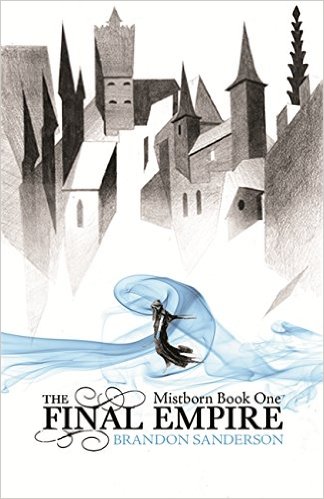
The Final Empire

The Mistborn trilogy by Brandon Sanderson. 

With the news that Brandon Sanderson has released a new Mistborn novel (sorry, if I’m a bit late on this) I thought I better waste no time in giving my thoughts on the earlier trilogy of books in the Mistborn saga.  These start with the novel, ‘The Final Empire’.  For those that don’t know, Brandon Sanderson is a very talented fantasy author who is renowned for creating vivid characters, and for developing and describing mystical and highly developed forms of magic.  The Mistborn series is set in a gloomy world ruled by an absolute immortal ruler, who has ruled for a thousand years after allegedly saving the world from destruction.  Class conflicts divide the land and Kelsier leads a band of rogues, thieves, and confidence tricksters who end up rebelling against the burdensome yoke of an aristocracy who rule with a typical sense of arrogance and disdain for the peasantry known as the Skaa.  The nobility are suitably dastardly, enough to get our blood boiling, whilst at the same time living a lifestyle of carriages and balls, long ball gowns and pearl necklaces, that appeals to our more decadent side.

The aristocracy unsurprisingly hold all the cards, including the magic of Allomancy that runs in the nobility’s blood.  However, due to illegal crossbreeding, our rebel band leader Kelsier has become a master Allomacer himself, and he teaches another apprentice, the street urchin Vin who also has the talent running through her veins.

Allomancy is derived from a simple concept – the Allomancer consumes and digests certain metals which then can be used for magical purposes.  Each metal has a different property, for example consuming a small amount of Iron will allow the wielder to pull on other metal objects, whilst steel will allow him or her to push off metal objects.  Doesn’t sound so special? Well, you’ll be wrong, as demonstrated by Kelsier as he teaches young Vin the basics.  The magic works in a similar way to a magnetic force, either pulling together or repelling the two wielders as they use the magic to leap off buildings, fly along walls, circle steeples and rooftops, or bound over the countryside using the magic to push or pull them from the metal found in gateposts or railings or any other source of metal.  These are my favourite passages of the books, as the author goes into such detail in describing the workings of the magic, and how it can be used.

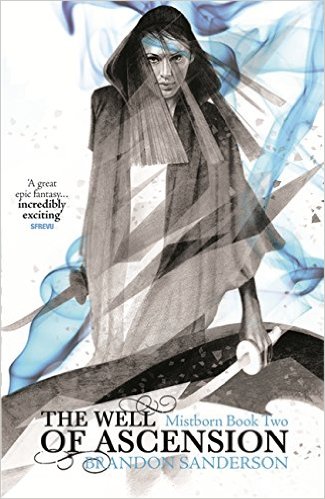
The Well of Ascension

Other metals have other properties, some help you mask pain, others make your senses more acute for example.  The whole concept is very simple and works on a principle of opposing forces, either attracting or repelling.  It’s a good lesson to any would be fantasy writer, that a new form of magic needn’t be overly complicated to have dramatic effect, and that sometimes simplicity is golden.

These  books are a great tale of adventure and magic, and anyone who loves getting into the depths of magic, how it works and functions, will love them.

You can buy the first in the series here.

The Hero of Ages

The Coming! Guest Post by Alan R Lancaster

I wrote a piece a couple of weeks back regarding the novels of  Bernard Cornwell’s: ‘The Last Kingdom’ and the TV series of the same name which has just come out on the BBC.  This brought me to the attention of Alan Lancaster, who loves this period of history and writes extensively on the subject.  Much as he liked the series, he pointed out some issues where the series differs from the real story behind one of the great migrations into the British Isles.  I thought it only fair that I give him a chance to set the record straight so I asked him to write a post on Anglo-Saxon Britain and the coming of the Vikings.  Alan Lancaster is real authority on the subject and writes his own historic novels on the subject, you’ll find links to some of his writing at the end of the article. Okay, so over to Alan!

Thomas Brooke

ANGSAX Origins

study.abingdon.org

THE COMING                        

A Brief Story of Aengla Land

The Romans had left Britain around seven years before a council of Celtic tribal elders or chieftains came to the conclusion that they needed someone, outsiders, to keep the warring factions from tearing society apart. The council became known later as ‘Vortigern’, mistaken by earlier historians for one particular overlord or ‘Bretwalda’. ‘Vortigern’ would be the Jutish word for the leaders responsible for the call for help.

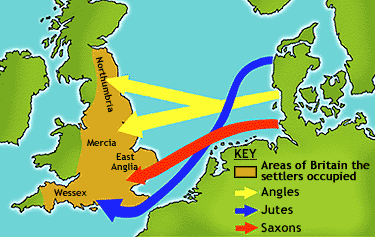
Late in the fifth decade of the 5th Century Hengist and Horsa reached the south-eastern shore on land held by the tribe known to the Romans as the Cantii. These were brothers, Jutish war-band leaders with a following of several large, broad rowing ships of the type that later brought the Aengle and Seaxan migrants to this isle. The promised reward was of land and gold. When the Celtic leaders went back on their promise the Jutes sought to press home their claim in a pitched battle. With Horsa fell a large number of his and Hengist’s men, although the Celts were the real losers in the exchange. The outcome was a kingdom carved out of Cantii lands. They also established themselves on the island they named Iuta, later Wiht, calling themselves Iutae.

Hard on the heels of the Jutes the Saxons landed in the east and south.  In several waves, they struck out from the Thames valley and southern shore, taking over Iuta and pushing the Celts west. Their kingdoms would be East, Middil, Suth and West Seaxe, and Suthrige – what would become Wessex after eastward expansion by a determined war leader named Cerdic.

ANGSAX Britain peoples circa AD600

http://www.en.wikipedia.org

To their north came the Aengle, into East Aengla, Middil Aengla, Deira and Beornica – the latter two kingdoms at times combining as Northanhymbra. Middil Aengla expanded west and south, in time becoming Mierca/Myrca under the warlord Penda. By the 7th Century territories were consolidated, with Raedwald – a protégé of the Christian king of Centland Aethelberht – as king of the East Aengle, Penda the pagan king of Mierca with lands that stretched from the North Sea in the east, the Hymbra and Treonta to the north, the Seoferna in the west, the Seaxan kingdoms to the south and Raedwald to his south-east. Oswy, brother of Oswald slain by Penda at Maserfield (Shropshire) would be king of Northanhymbra. This kingdom was bounded in the west by the Irish Sea as far north as the Ribble, inland along the Ribble and north along the eastern edge of the British kingdom of Strathclyde and to the North Sea from east of Cardeol (Carlisle). Ida ‘the Flame-bearer’, an earlier king of Beornica had pushed the northern boundary of his kingdom to the Firth of Forth, engulfing Dinas Eidin (Edinburgh). Later Aengle kings of Beornica would push to the Tay and find themselves face-to-face with the Scots, pushing eastward from their conquests in Alba (having crossed the sea a century or so earlier from Ulster). The Northanhymbran Aengle would at times be faced with enemies on all sides, Offa’s Mierca becoming later overlords. A battle would be fought in the north against the Picts at Nechtanesmere (Dunnichen) where Ecgfrith was killed and Beornica would be pushed back towards the Tweed.

Offa meanwhile expanded Mierca south to engulf West Seaxan territory as far as the Themese. He modelled himself on the more powerful Charles ‘the Great’ (Charlemagne) of the Franks. One of his noteworthy achievements was the establishment of a western boundary against the Britons (Seaxans called them ‘Wealsh’, meaning ‘foreigners’, although in Deira the Aengle kings allowed the Celts to stay in their tribal area of Elmete (between Leeds and Selby). Earlier Penda had allied himself with the Britons against King Oswald and his brother Oswy/Oswiu.

The war-band leader Cerdic and his successors had overrun the kingdoms of Middil Seaxe, Suth Seaxe, Suthrige, Centland and East Seaxe by the 8th Century.

ANGSAX S E Anglo Saxon Jute AD575

www.en.wikipedia.org

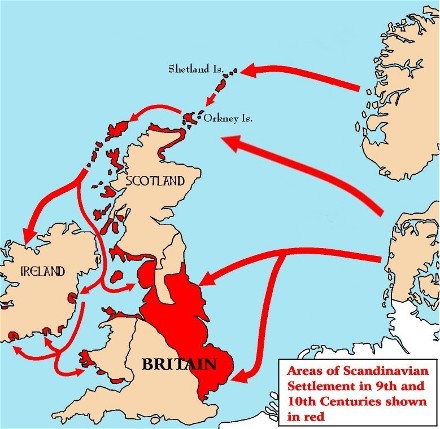
By the time Aelfred came to the kingship of West Seaxe his father and older brothers were beset by the Danes’ ‘Micel Here’ (Great Army) under Ubbi, Haesten, Sigurd ‘Snake-eye’ and Ivar ‘the Boneless’, sons of the Dane Ragnar ‘Lothbrok’ (Leather Breeks) who had died at the hands of King Aelle of Beornica. They had defeated a Northanhymbran army under Aelle and Osferth, king of Deira at Eoferwic, and despatched both kings. A puppet king would rule the kingdom of Jorvik, as would another in Mierca, a third in East Aengla after King Eadmund was slain. Eadmund had abandoned his men near the coast, and fled to the church at Byrig (later Bury St Edmund) where the Danes cornered him and mocked his lack of courage before bowmen sent him to his maker.

Another Danish war-band leader, Guthrum, would agree a treaty with Aelfred. In the dead of winter after the Christmas feast Aelfred and his men were resting at Cipanham (Chippenham) when Guthrum thundered in with his men. Aelfred fled west with the few of his men not cut down by the Danes, to Aethelney in northern Sumorsaetan. Here he would have to hide from Guthrum whilst the Danes combed the wetlands (of the Somerset Levels near Glastonbury) and offered a reward to anyone who could tell them Aelfred’s whereabouts. When Aelfred was able to summon a big enough army – outlaws were given an amnesty in exchange for their help against Guthrum – Aelfred tackled the Danes at Ethandun (Edington) and defeated them. There were further clashes with Guthrum before another treaty was agreed at Wedmore whereby Mierca was divided into west and east (the Danelaw) along the old Roman road, Watling Straet, (and land east of the River Lea). Deira became the Danish Kingdom of Jorvik under Halfdan. Eastern Mierca was settled by the Danes, administered from the Five Boroughs: Deoraby, Laegerceaster, Lindcylne, Snotingaham and Staenford (Derby, Leicester, Lincoln, Nottingham and Stamford) in Danish fashion with areas subdivided into Wapentakes, land measured in carucates. Western Mierca, along the boundaries of Ceaster, Staefford, Tamwyrthig and Northanhamtun (Chester, Stafford, Tamworth and Northampton), was ruled through an ealdorman, Aethelred for Aelfred. Tamwyrthig was the old capital of Mierca in the days of Penda and Offa. Guthrum withdrew to his kingdom of East Aengla, accepted Christianity and adopted the name of Aethelstan.

After Aelfred’s death his son Eadward ‘the Elder’ took the reins of the kingdom, his sister Aethelflaed ruled western Mierca on his behalf and raised her nephew Eadward’s son Aethelstan. On Eadward’s death in AD 924 Aethelstan became king of Mierca and West Seaxe. Jorvik meanwhile had been ruled by the Dyflin (Dublin) Dane Sigtrygg ‘Caech’. On his death in 927 Aethelstan took Jorvik. The Northanhymbrans yielded, signalling West Seaxan expansion and realising Aelfred’s dream of a united kingdom under a West Seaxan king. Aethelstan would now have to take on a new force of Norse, Wealsh, Scots and Dyflin Danes under Olaf Guthfrithsson, who laid a renewed claim on the kingship of Jorvik. With him was the Scots king Constantine II and the Strathclyde Britons. In AD 937 at Brunanburh, (a site now unknown, thought to be somewhere on Merseyside) Aethelstan defeated them, to be acclaimed Bretwalda. He never married and was succeeded by half-brother Eadmund in AD 939.

This was the first attempt at a united kingdom, which was then threatened by Eirik Haraldsson, nicknamed ‘Blood-axe’, first in AD 948 and again AD 952-4. He would be lured to the high moors at Stainmore and killed along with his retainers.

ANGSAX Scandinavian influx

www.abroadintheyard.com

For another forty-eight years peace would reign, until the hapless Aethelred ‘Unraed’ took the counsel of his Witan in AD 1002 and sent out men to ‘deal with the Danes’ he was warned plotted his downfall. This would be fateful for him. The St Brice’s Day Massacre on 13th November cost him dear, as one of the victims turned out to be Gunnhild, the sister of the Danish king Svein Haraldsson, ‘Forkbeard’. Svein repeatedly came with a large fleet to claim Danegeld for the killings. Each time Aethelred paid up: 36,000 pounds in AD 1007, 48,000 in AD 1012. In AD 1014 he came with an army as Ragnar’s sons did a century and a half earlier, determined to take the kingdom. Aethelred fled to Northmandige (Normandy) with his queen Emma and young sons, Eadward and Aelfred… Cut a long story short, he came back that year with a large army just as Svein died suddenly at Gagnesburh (Gainsborough).

The sixteen-year old Knut Sveinsson withdrew to Denmark to seek more men and ships from older brother King Harald, and came back to tackle Aethelred and his son Eadmund ‘Ironside’ in AD 1016. Aethelred died in Lunden, leaving Eadmund to hammer it out with Knut. Eadmund was badly wounded at Assandun (Ashingdon) east of Lunden and fled west. After another disastrous defeat Eadmund offered Knut a share in the crown, but died of his wounds. Knut was now king of Aengla Land. When Harald died a year or so later Knut had both kingdoms. Son Svein (by Aelfgifu of Northanhamtun) would be regent in Norway; Svein’s brother Harold ‘Harefoot’ would rule for Knut in Aengla Land.

ANGSAX Britain pre 1066

Marriage with Aethelred’s widow Emma gave him another son, Harthaknut. A dynastic struggle would result in AD 1035 with Knut’s premature death, with Harthaknut having to fend off neighbour Magnus Olafsson of Norway after Svein was sent scuttling home. Harold ‘Harefoot’ would be his brother’s regent in Aengla Land until he decided to take the crown for himself. In short Harold II died and Harthaknut came to claim the throne, offered a half share to half-brother Eadward but died ‘in his cups’ at a wedding feast. History repeated itself, and Eadward took the kingship, as well as the hand of Earl Godwin’s daughter Eadgytha. Another dynastic squabble awaited and the rest you probably already know… Or do you? More soon, savour the read,

Alan R L

Find out more about Alan R Lancaster’s writing here.

NORTHWORLD SAGA SITE

VIKING

DANELAW

GODWIN’S CLAN

SWORDFLASH 1066

CONQUEST

HERITAGE

10 types of Warriors Part 2 – Dark ages to Medieval

anglo-saxon-warriors_deadliestblogpage.wordpress.com

deadliestblogpage.wordpress.com

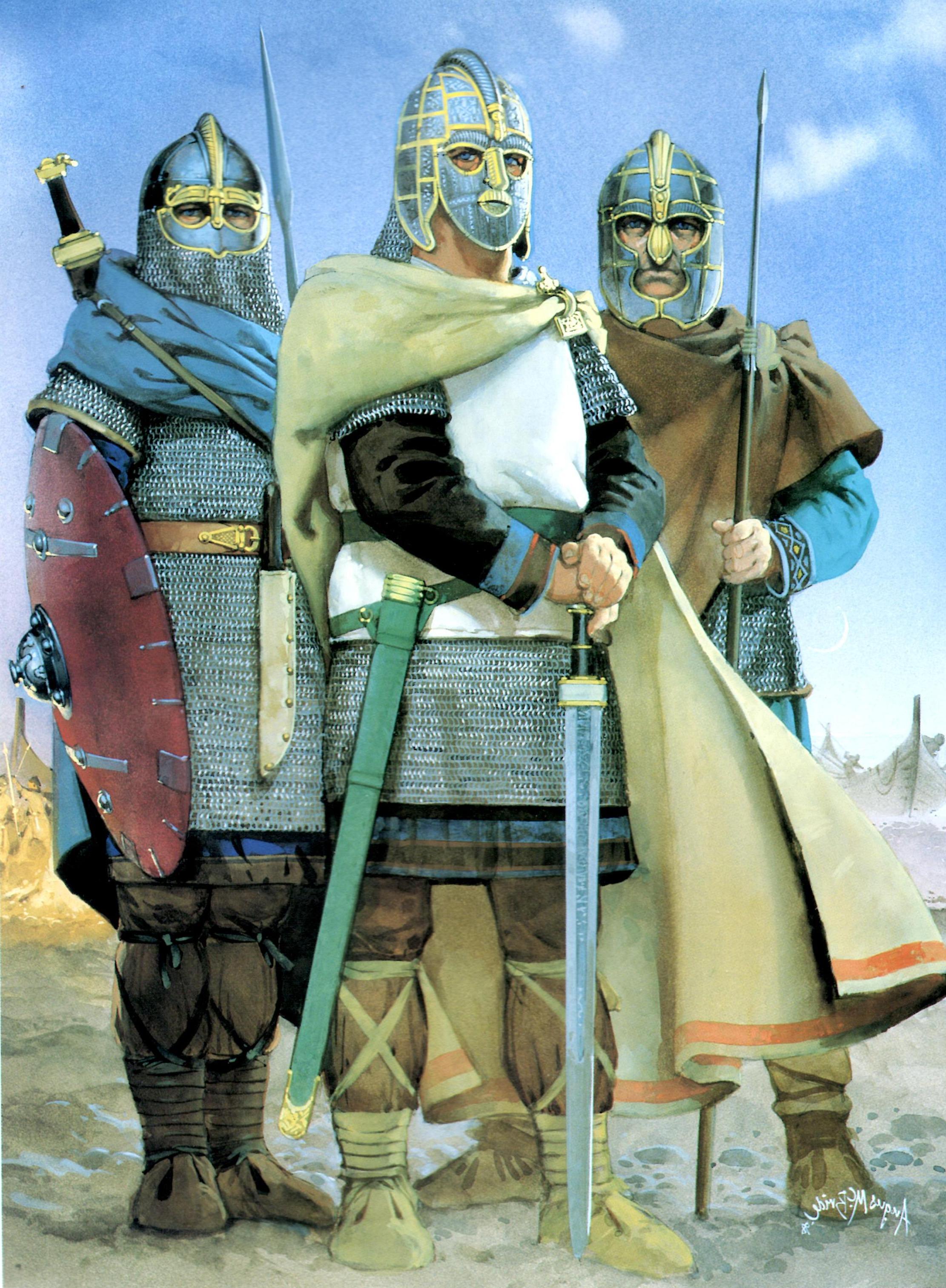
The Saxon.  After the Romans left the shores of Britain, the Saxons started to arrive on its shores.  Fair haired muscular warriors from the North German plain, their progress was allegedly held up by the legendary King Arthur.  But after his demise the impeding tide could only be held back for so long, and eventually the Anglo-Saxon Kingdoms of England were formed from Northumbria in the North, through to Mercia in the midlands, and Wessex and Kent in the south.

VikingShip_marineinsight.com

marineinsight.com

The Viking.  The English Kingdoms peace was shattered in the ninth century by the Danes, who decided to come Viking and take what was on offer from the rich and prosperous land.  The sight of their dreaded longboats is one of the most feared images from history.  The Vikings came first to raid, but then realised they preferred England to Denmark and settled in the North of England – their progress South being thwarted by Alfred the Great’s Anglo-Saxon Wessex.

Tapisserie de Bayeux - Scène 51 (partielle) : la bataille d'Hastings, chevaliers et archers normands.

wikipedia.org

The Normans.  Contrary to what many people think, the Normans were not actually French. They were the Viking invaders from Denmark, Norway, and Iceland who had taken control of the northern region of France, Normandy, before swearing allegiance to the French King.  They were very accomplished in war, and had a very large and skilled army which invaded England in 1066.  Their disciplined army manged to get the upper hand against the Saxons in the Battle of Hastings, by feigning a retreat and tricking the Saxons into conceding the higher ground.

Celtic Warriors_

Piniterest.com

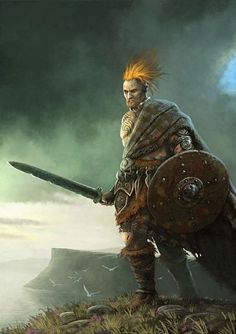
The Celtic warrior.  The Celts may have been forced to the fringes of the British Isles by a combination of the Anglo-Saxons, Vikings, and Normans, but they were far from finished as warriors.  The Welsh often rebelled and the mountainous terrain to the North of Wales proved particularly hazardous to the Normans until they built a series of Castles to maintain their rule.  The Picts and Scottish nations to the North waged continual wars of independence whilst the Irish kept their Island a Celtic stronghold.

Byzantine_wesphelan.com

wesphelan.com

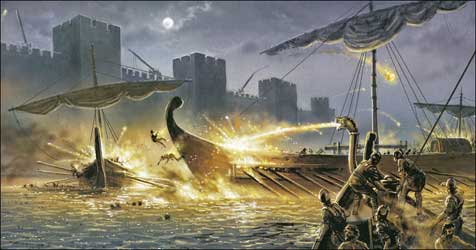
The Byzantine.  In the East of Europe, the legacy of the Romans still held sway.  The Byzantines were the descendants of the Eastern Roman Empire first formed by the Roman Emperor Constantine.  Their armies still held the discipline of the old Roman legions, and their cavalry was also renowned.  However, it was their use of Greek-fire in their navel battles that struck fear in their opponents.  Made from a mysterious and secret recipe, Greek-fire was flammable and had the ability to float on water and consume any ship or unfortunate person caught in its path.

Knight2_archive.constantcontact.com

archive.constantcontact.com

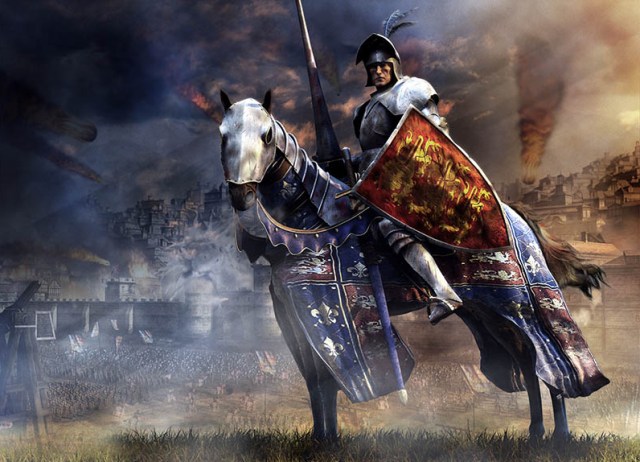
The Medieval Knight.  Mounted on his charger, lance in hand, encased head to toe in burnished steel, the knight was equally at home on the battlefield as the tourney field.  Unlike a Man-at-Arms who may be a mercenary or another type of professional fighter, the Knight was of noble birth and rank. Seemingly invincible in their heavy armour and skill with weapons, they held a high status throughout Christendom.  A knight was more than a warrior, he exemplified an age, and was held to a chivalric code espousing honour and courage.

Longbow2_mink.net.au

mink.net.au

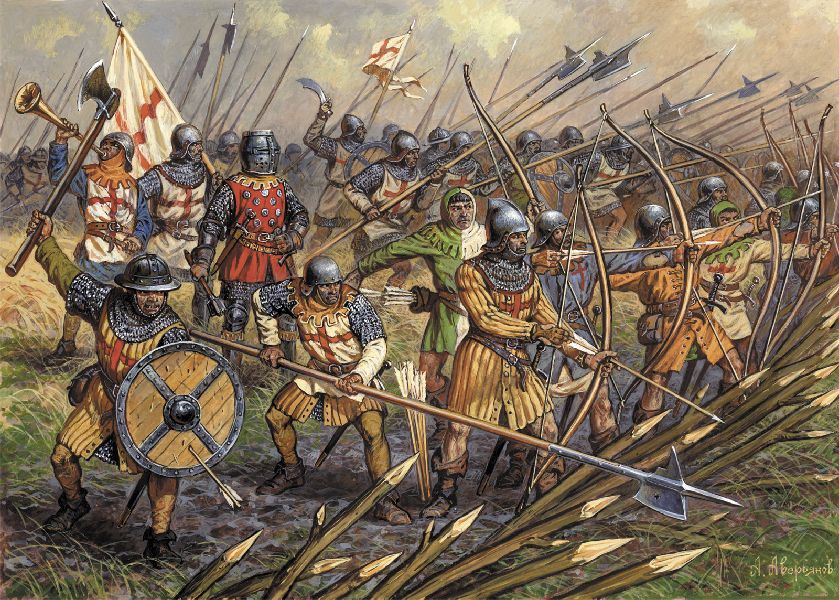
The Longbowman.  Knights in armour however, were not as invulnerable as they appeared.  Their nemesis was the English Longbow that proved so decisive in the Hundred Years war.  A succession of battles, such as Crecy and Agincourt, were won by small, largely peasant, English armies against vastly larger French armies of Knights and Men-at-Arms.   The secret of the longbow was its ability to penetrate plate armour and also by how many arrows a skilled bowmen could release quickly – being far faster than the slower and more cumbersome crossbow used by most other European nations.  Learning to use an English longbow was no easy task however, and required the user to train from a very young age.

swisspikemen_www.badassoftheweek.com

badassoftheweek.com

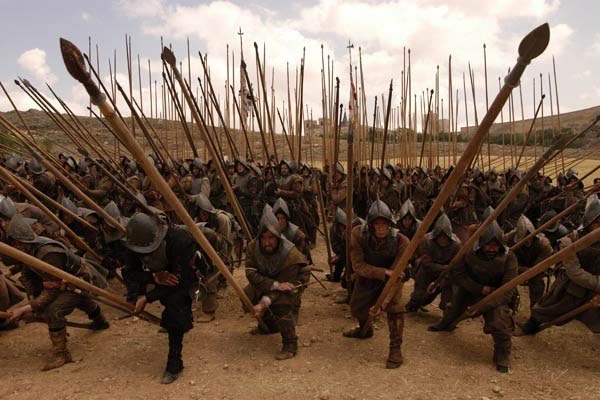
The Pikeman.  The pike was nothing new, it had been used in ancient times, most notably by Alexander the Great, but it had fell out of use in the subsequent centuries until making a comeback in medieval times.  A tightly organised unit of Pikemen had the advantage of being impervious to heavy cavalry and could also be used offensively to stunning effect, such as in the Scott’s famous victory over the English at Stirling Bridge in 1297.  The Pikemen did have weaknesses however, over broken terrain their units could lose cohesion and leave them vulnerable.  They were also always at risk from archers, unless adequately armoured.

knights-templar-riding_knightscrusaderregalia.com

knightscrusaderregalia.com

The Crusader and the Knight Templar.  Sent by the Pope and a coalition of European rulers to secure the Holy land for Christendom, the crusaders left a path of destruction all the way to the gates of Jerusalem.  The Knights Templar were their personification, a secretive religious order of warrior knights, vowed to celibacy, whose mission was to escort and protect christian pilgrims on their way to the Holy land.  They became extremely powerful due to the ciphers and banking systems they deployed to look after the pilgrims wealth as they made the long and perilous journey to Jerusalem.

mamluk_thelosttreasurechest.wordpress.com

thelosttreasurechest.wordpress.com

The Mamluks. The crusaders didn’t have a free rein in the Middle East however, they came across the formidable army of the great Salah ad-Din (Saladin) who crushed the crusading army at the battle of Haltin in 1187 and re-took Jerusalem.  This sparked Richard I of England (Known as The Lionheart) to launch the third crusade to reclaim the Holy Land.

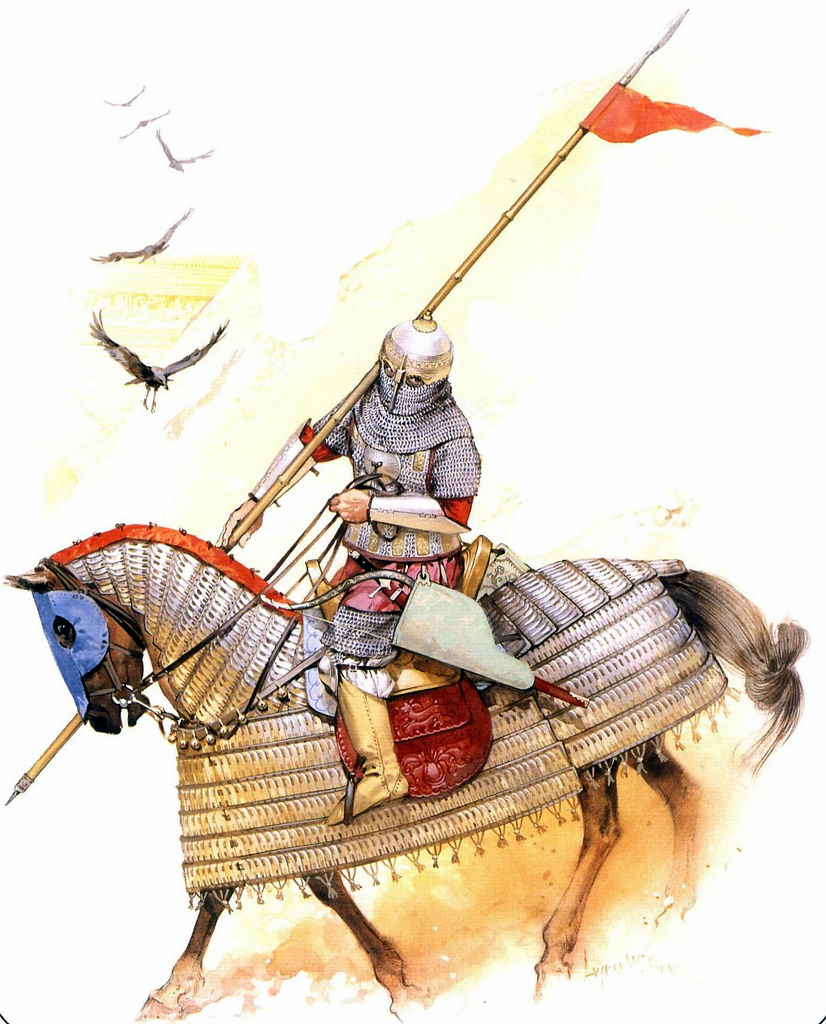
Salah ad-Din’s army was famous for its brilliant cavalry, the most famous of which were the Mamluks.  They were Turkish slave-soldiers purchased as young boys from Christian or Pagan regions, and trained in the art of cavalry warfare, taught Arabic, and encouraged to convert to Islam.  They were then freed to serve in Salah ad-Din’s army and were highly skilled with spear, composite bow, axe and sword.  They were also heavily armoured, and wore the distinctive conical helmet and face mail mask.

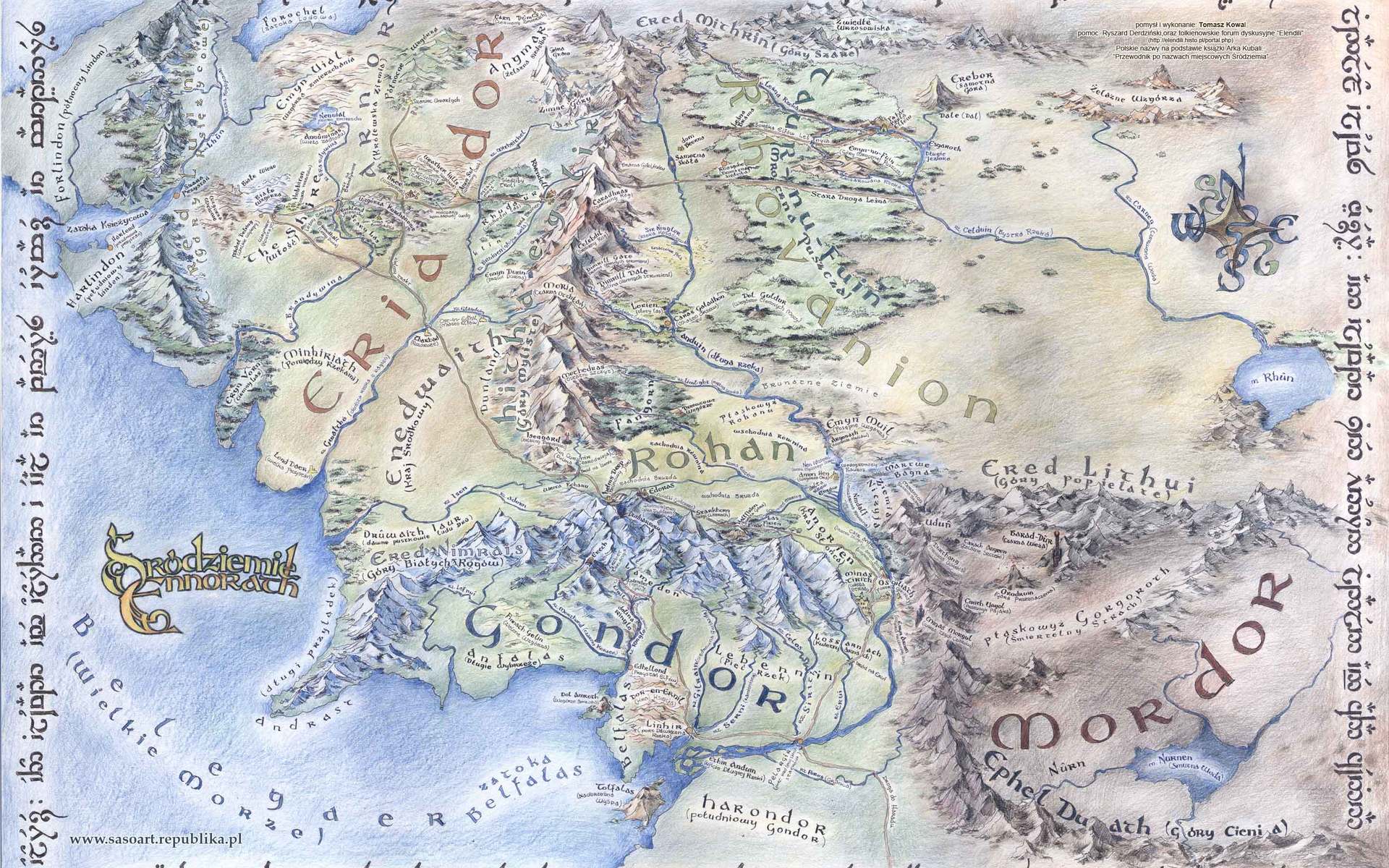
10 great maps of fantasy worlds!

In no other genre, is a map at the start of the novel as important as fantasy.  I put a map at the start of my own historical novel Roman Mask, but as that map is essentially of Europe with Roman names, I realise is doesn’t really hold the same importance to a reader as a fantasy novel’s would.  A fantasy novel’s map is more than just a piece of cartography, it is a depiction of the world the writer has created in their mind, and a glimpse into a new world.  The rivers, valleys, forests, and mountains can sweep across continents and seas, creating the perfect avenue of escapism that makes the fantasy genre so appealing.  As my cousin used to say to me when we were eleven and first discovering fantasy books, ‘you can always tell it’s going to be a good one by its map, I always judge a fantasy novel by its map!,’

A bit harsh maybe, but that’s eleven year old’s for you, and it shows how important this aspect of the fantasy genre is.  Here are a few fantasy worlds depicted well via their maps.

Narnia_naniaweb.com

naniaweb.com

Narnia- CS Lewis.  Most worlds we conceive of have a relationship with our own; we expect them to, by and large, follow the same norms as our own, possibly with a bit of magic thrown in.  However, fantasy realms needn’t follow any accepted rules or physics if the writer doesn’t want it to – imagination is the only limiting factor.  In this tradition, C.S. Lewis conceived of the lands of Narnia, a world that is flat rather than round, where the seas flow off the edge of the world in a great waterfall.

RaymondEFiest_Riftwar_pinterest.com

axisandallies.wikia.com

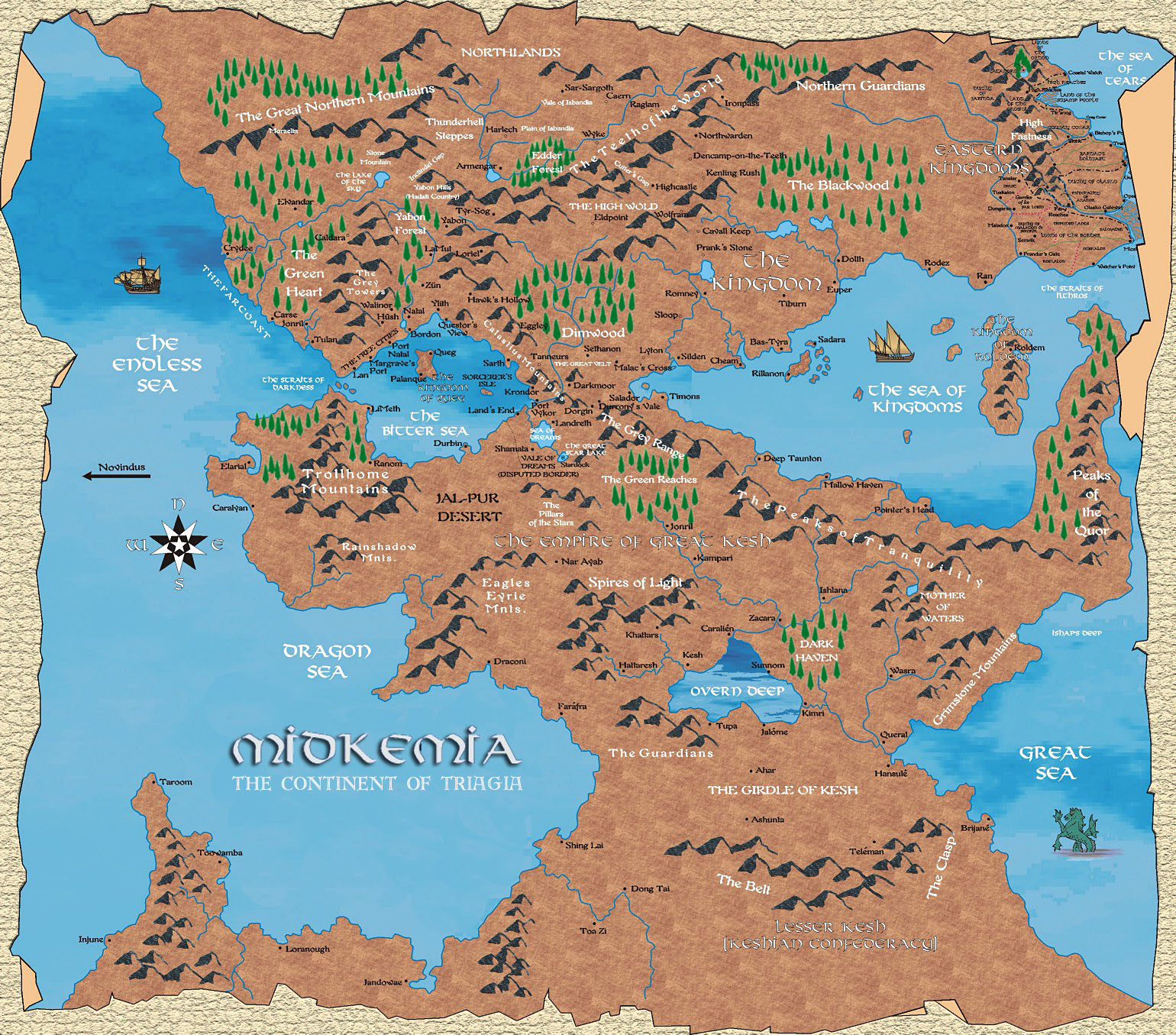
Midkemia – Raymond E Feist. Feist’s beautiful world is beset by protagonists that arrive unexpectedly through a magical rift between worlds.  If that sounds fanciful, imagine how the Native American’s felt when the Europeans first arrived on their shores, and you realise it isn’t without precedent in our own history.
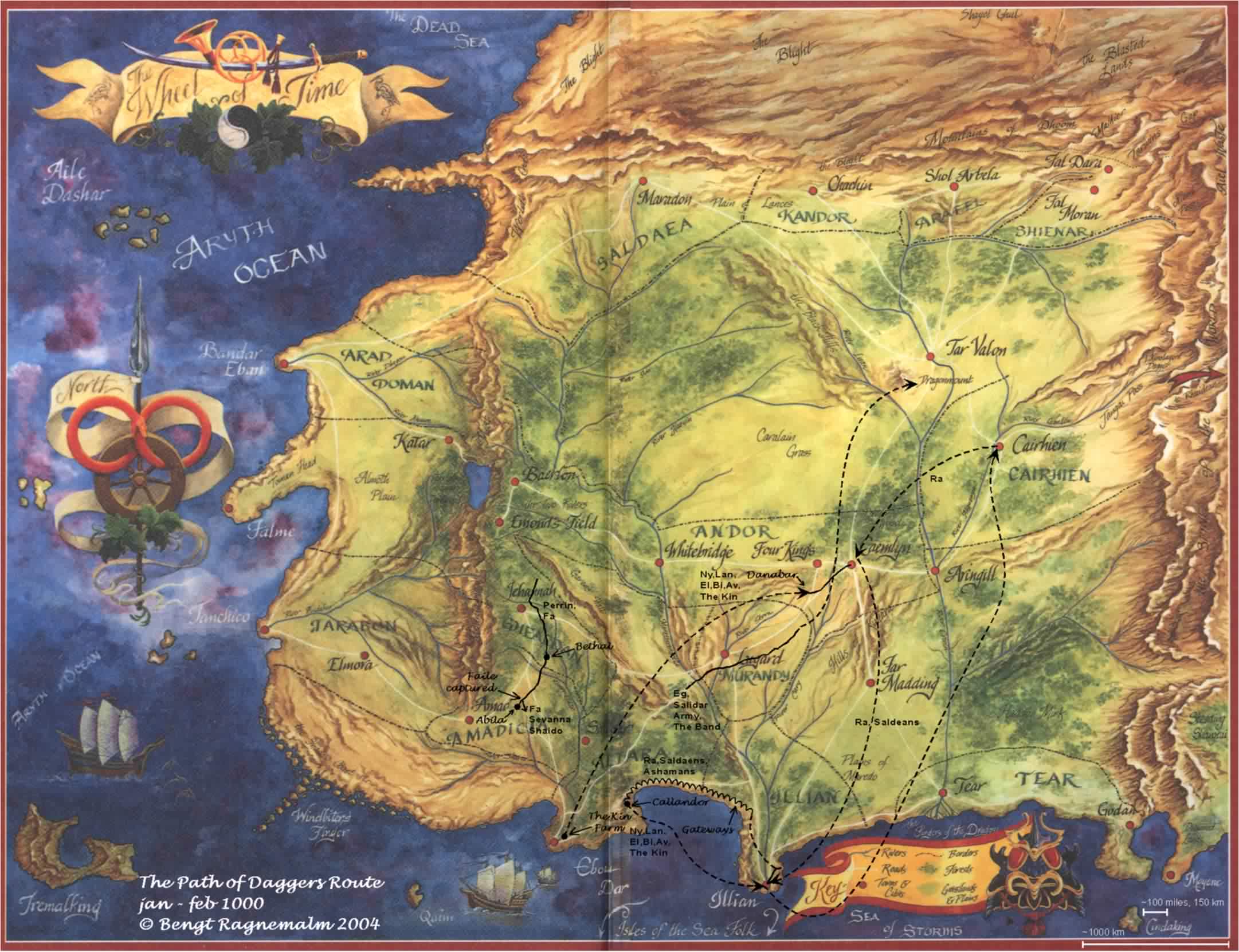
The Wheel of Time_privat.bahnhof.se

privat.bahnhof.se

The Wheel of Time – Robert Jordan.  It was a good job that Robert Jordan created such an interesting world for his Wheel of Time series, because after thirteen instalments of these books, you will get to know it very well.  What I like about Jordan’s world was the ring of countries to the North, the borderlands.  Strong nations defined and shaped by tough warriors who hold back the forces of the Dark One from the Blight.

robin_hobb_home.arcord.de

home.arcord.de

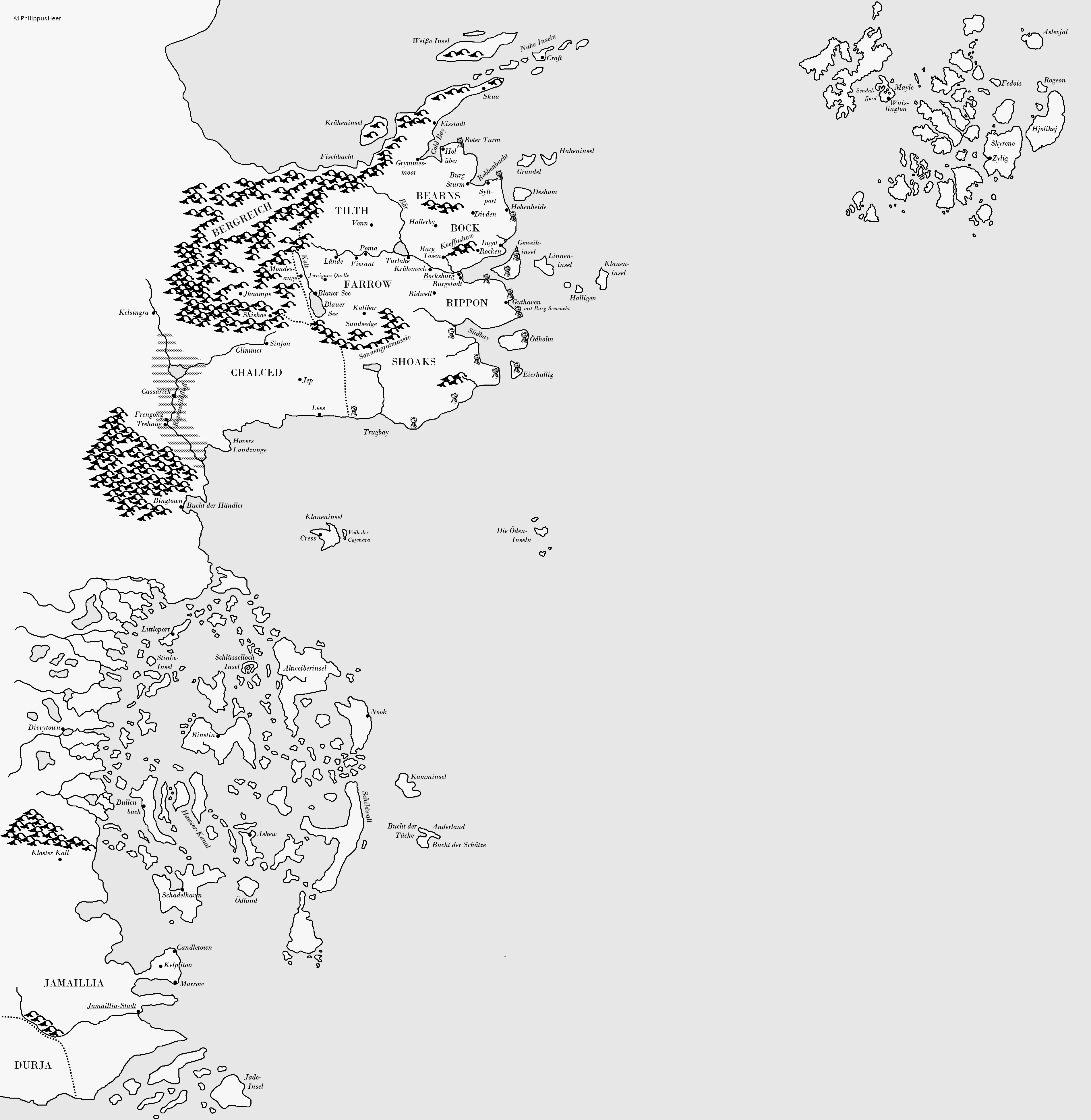
The Six Duchies and the Cursed Shore – Robin Hobb.  Robin Hobb takes an unusual approach in her fantasy novels, in that each series, despite having completely independent storylines, characters, and plots are all set in the same world – just different parts of it.  The benefit of this approach is that after each novel is released, her world becomes richer, and more realised. (The exception to this is her Solider Son Trilogy, which is set in its own realm).

Mistborn_BrandonSanderson_pinterest.com

isaacstewart.com

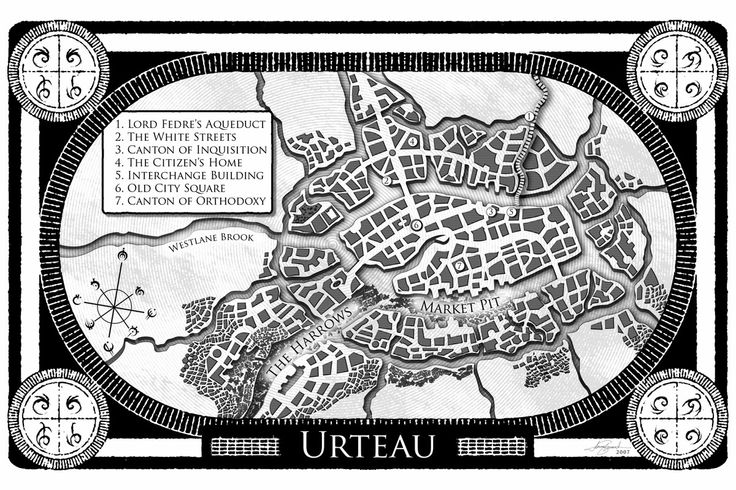
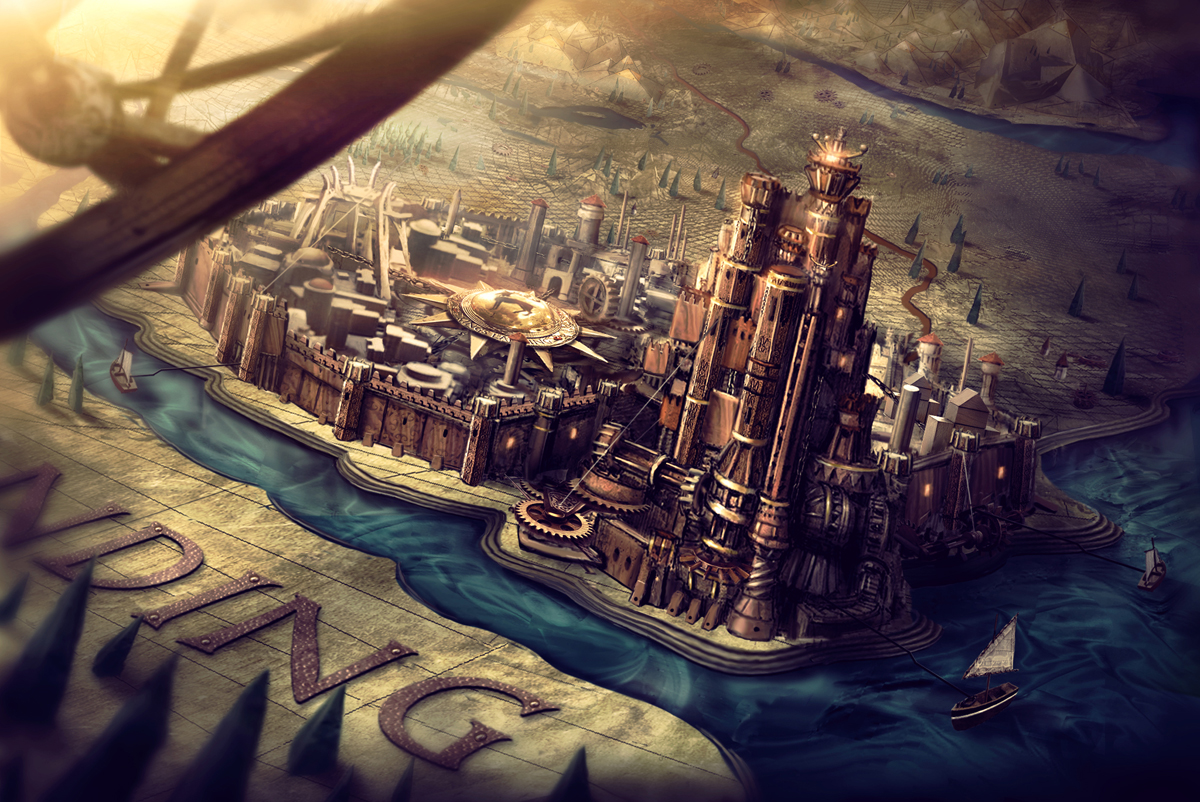
The Mistborn – Brandon Sanderson.  It needs to be remembered that designing a world’s mountain ranges, forests, and coastlines can only take you so far – it is the inhabitants that make a world, so realistic cities and towns are just as important.  Quite often complicated plots set within a city can be greatly enhanced by the aid of a map, highlighting the urban sprawl’s streets and alleyways.

Mark lawerance broken kingdoms

princeofthorns.com

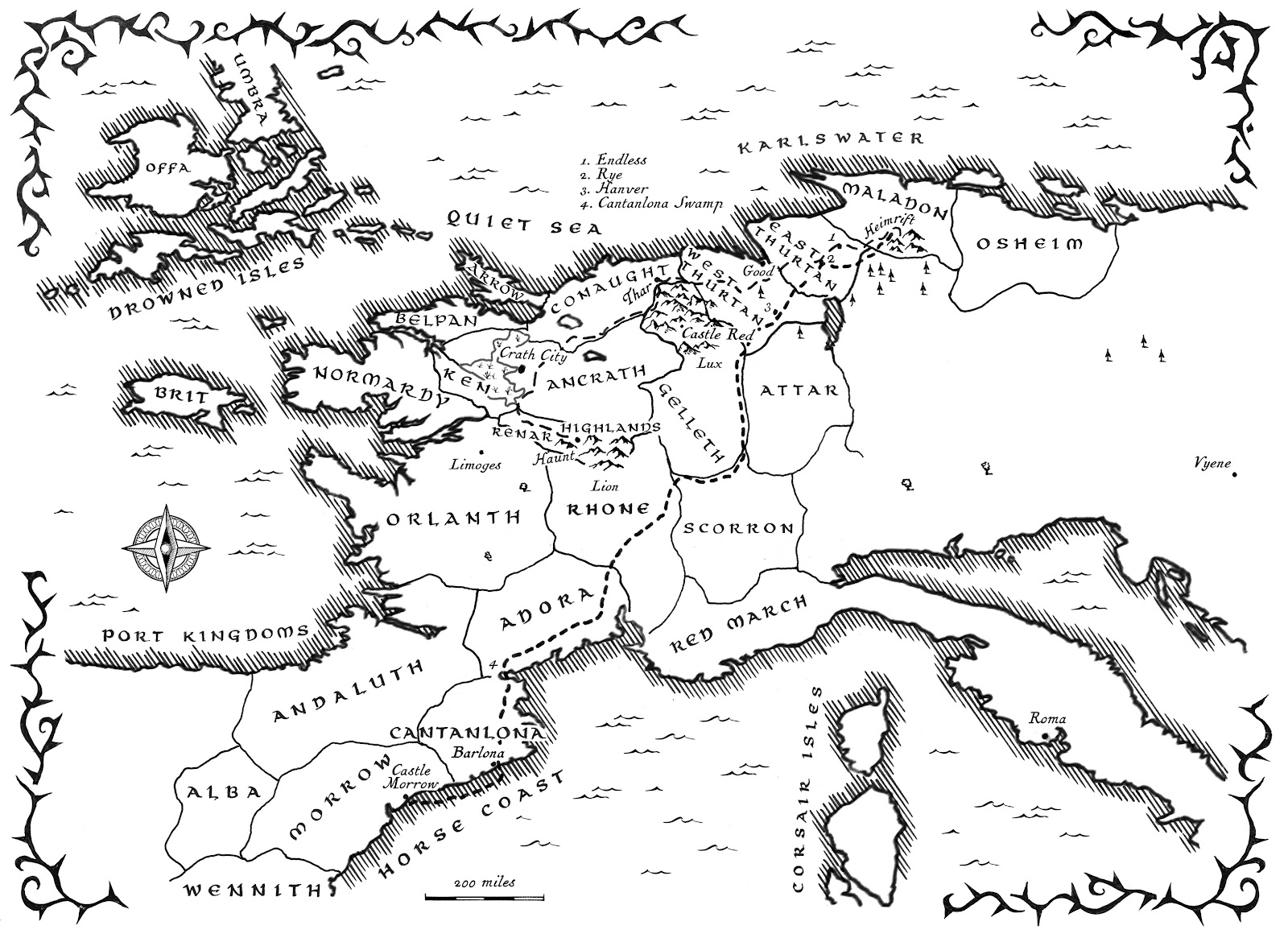
The Broken Empire – Mark Lawrence.  Lawrence’s world is actually our own, just changed beyond recognition by a nuclear apocalypse and a changing of the laws of physics, so that will alone can shape events.  This gives a semblance of magic and necromancy.  The place names will be somewhat familiar, but just like the rest of his world, slightly altered.

game-of-thrones-people.comGOT_artofvfx.com

people.com and artofvfx.com

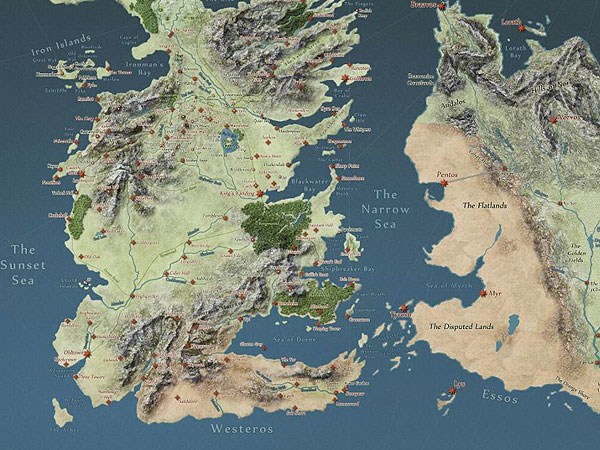
Westeros – George R R Martin.  When George R.R. Martin first started writing Game of Thrones, he wanted to write a set of novels that freed him from the restrictions of film making (he worked in Hollywood) and construct a world so outlandish and lavish, that turning it into a screen version would be impossible.  Of course they’ve since taken up that challenge and succeeded to such a spectacular degree, that few would have thought possible.  The map still plays a big part too, making up the beginning sequence to the series.

Patrickrothfuss_priscellie.com

priscellie.com

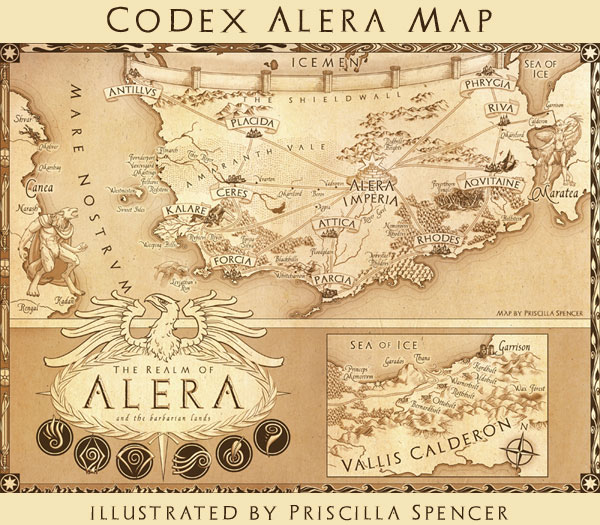
Alera – Patrick Rothfuss.  Patrick Rothfuss is the new star of the fantasy writing, his books being incredibly popular and bringing new fans to the genre with his excellent writing and thoughtful story.  His world is equally well thought out, detailed, and rich with communities and varied races.

belgariad_and_malloreon_crooty.deviantart.com

crooty.deviantart.com

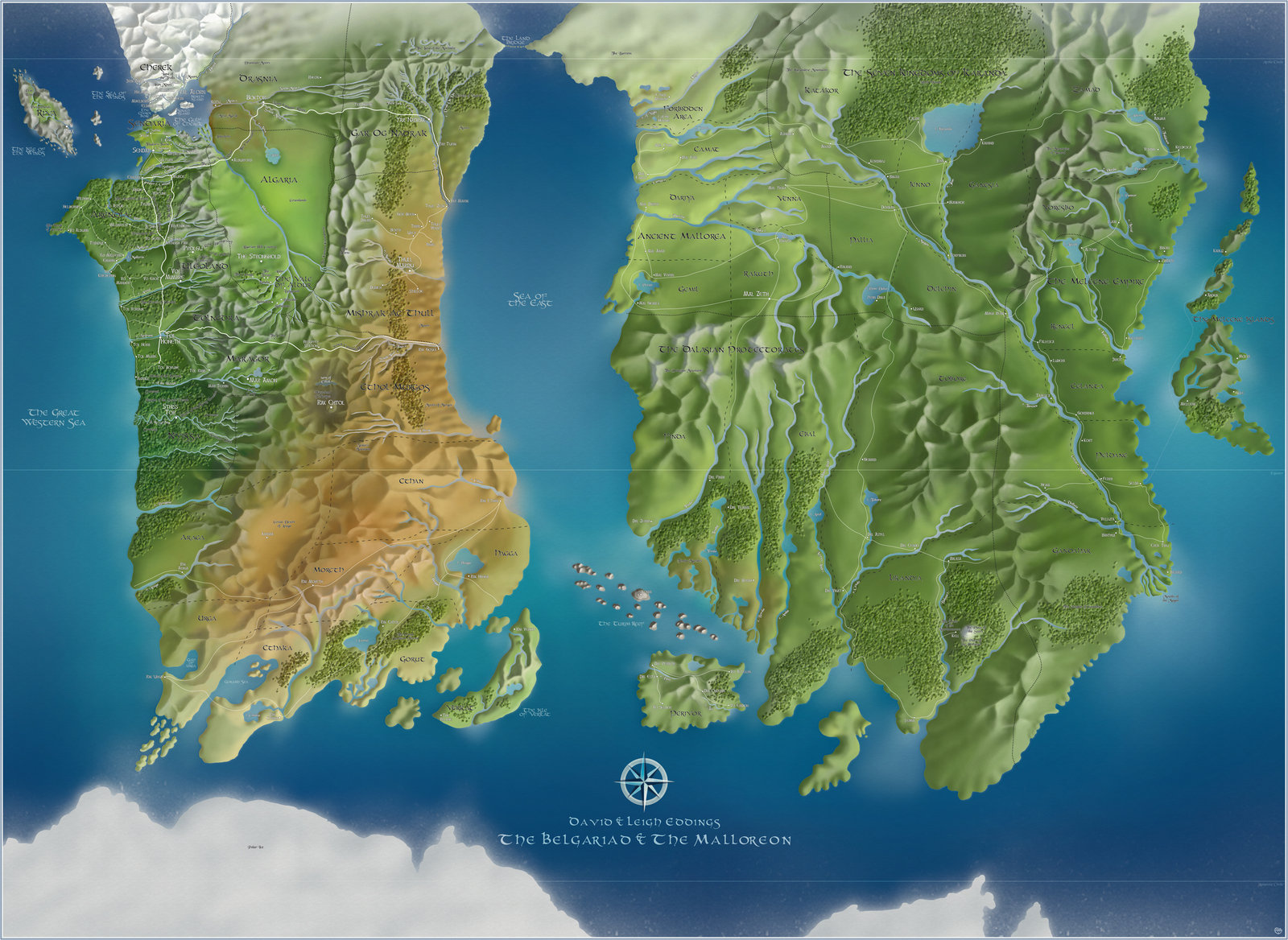
The Belgariad and The Malloreon – David Eddings.  It’s been a long, long, time since I read these sets of novels so forgive me if my memory plays me false.  One of the aspects I particularly enjoyed about this series as a young adult was how the world, depicted in beautifully well drawn maps were slowly revealed as the two stories progressed.  Just as you thought you knew the world, a whole new continent would be revealed.

Middle Earth_1ms.net

1ms.net

Middle Earth – J R R Tolkien.  The Grand-daddy of them all, still the most complete and detailed of all the worlds ever created for the genre, despite being the first.  One of the reasons all fantasy novels should have a map at the beginning is because Tolkien put one at the start of his, and his novels are still the benchmark for all fantasy novels to aspire to.

Okay, I know some of you will be thinking that if the writer does their job well, with their descriptive power and ability to build images in the readers mind, the map is unnecessary.  To an extent I agree with you, the first David Gemmell novels never came with a map and that never spoilt my enjoyment of his books.  But I think that a fantasy novel never loses anything by having a depiction of their world at the start of the book and if it brings pleasure to some readers, why leave it out?

Bernard Cornwell’s The Last Kingdom. Can the television series match up to the books?

The last kingdom

As the BBC are about to be showing the new televised series of these novels in the UK, I thought it would be a good time to discuss these books.  For those of you who live outside of the UK, I have no idea whether you’ll be able to watch it or not, but in this day of cable TV and the internet, I’m sure it won’t be hard to find somewhere.  What is clear, is that the television series has a lot to live up to regardless.

PaleHorseman2

Bernard Cornwell’s Saxon tales, also known as The Last Kingdom series, begins with the novel of the same name.  It covers the breathtakingly exciting period of history of the ninth century when the Vikings were a scourge on England’s shores.  The English Saxon Kingdoms began to fall to the Danish invaders, one by one, and the large kingdoms of Northumbria, Mercia, and Kent are all soon overwhelmed.  But just as all seems lost, one last kingdom stands strong, the Kingdom of Wessex, ruled by the now legendary Alfred the Great.  Alfred turns back the pagan incursion and keeps the light of God and Saxon England burning strongly in England’s shores.

LordsoftheNorth3

The story is told through Uhtred, a man born to English aristocracy, but who is raised and brought up by a Viking chieftain, after his own family is killed in horrific circumstances.  Uhtred’s background divides his loyalties, but ultimately he goes on to become Alfred’s chief Warlord.   Uhtred is an inspired choice of character for Cornwell to use to tell the tale, because he is in a unique position to tell both sides of the story.  These books don’t glorify the brave English defenders against an evil invader, or conversely portray the English in a cowardly light against the burly brave Vikings.  Instead they give a balanced – but no less exciting – story of one people desperately trying to preserve their way of life, as they are opposed by an equally determined foe to carve out a life for themselves in this new land that was so much more fertile than their own stony shores.

SwordSong4

I really enjoyed this series, not least because a lot of it is set on the beautiful Northumbrian coast that I know so well, and I loved being transported to a time when the land was so wild and uncertain.  Strangely enough, what struck me about this story, and why the Vikings were such a difficult foe to oppose was the lack of communication between the various communities of the dark ages.  It is difficult for us to really appreciate in our age of instant communication and knowledge, but Cornwell does a brilliant job in demonstrating how misinformed a group of warriors could be.  Warriors could be away for weeks, guarding a coastline to protect their village or villages, without realising those same settlements may have already been destroyed.  Groups of Vikings could also be completely oblivious to the fact that their side had lost a major battle in the region days past and were now in dire peril.

TheBurningLand5

The story ebbs and flows through the monumental struggle between the sides, and the story is enhanced by the difficult relationship between the strong willed Uhtred, and the determined and brilliant, but pious Alfred.  The Television series has its work cut out to capture half the sense of drama and excitement bound up in these novels, but I look forward to finding out how successful they’ve been.

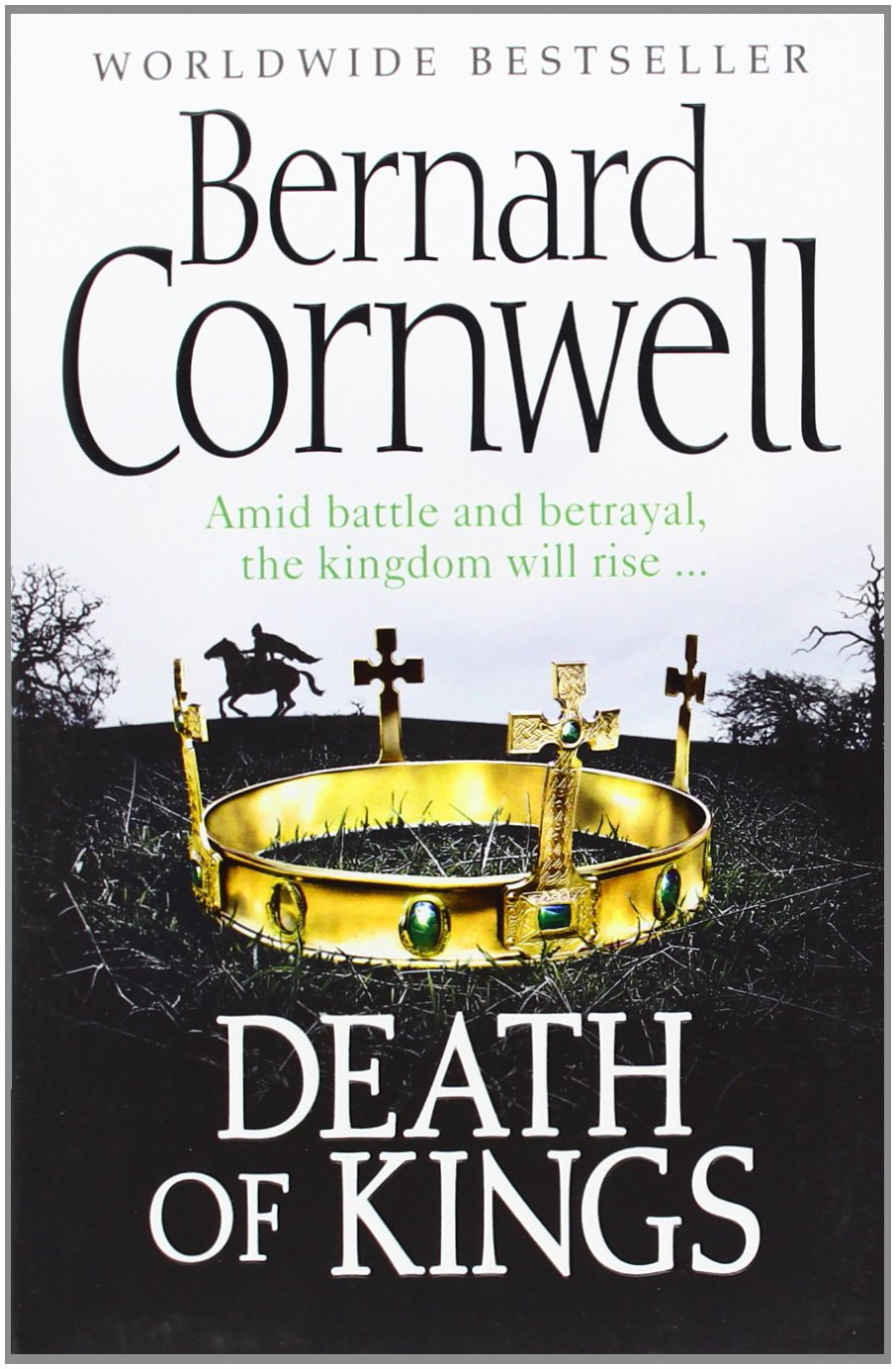
Death of Kings 7PaganLord7

You can buy the first of these novels, The Last Kingdom, on Amazon here.

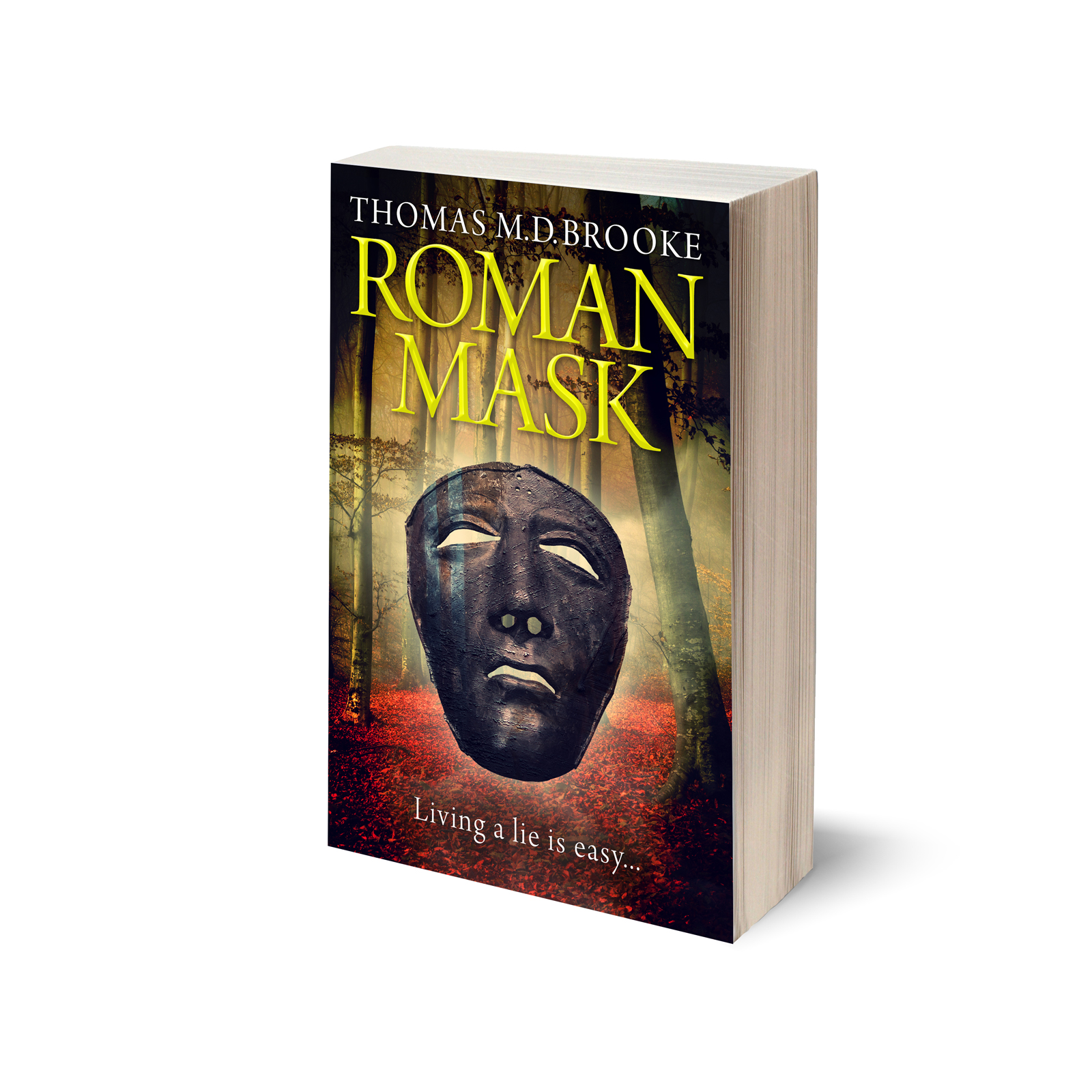
Sunday update! Roman Mask now available in all formats!

dfw-tb-trm-cover-3d-nologo

“I loved this book. There’s no other way to say it.” 5 Stars – Readersfavorite.com

Up until now, my novel Roman mask has only been available to buy in a paperback version, or for the Kindle device via Amazon.  Although, the kindle device is obviously very popular (I have one myself) there are plenty of other reading devices out there.  So I am delighted to say Roman Mask is now available in all formats, including for the Nook, the Kobo, and the iPad.  The cost remains the same, which ever device is your preference $2.99 USA, £1.99 UK.

Buy Roman Mask here!

Nook via Barnes and Noble

Kobo via Kobo store

iPad, iPhone via Apple iBooks

Kindle via Amazon

In other news, I will continue to write my posts on either historical or fantasy literature, but if anyone else wants to contribute posts just let me know.  I enjoy showcasing other people’s point of views so don’t be afraid to offer your own posts.  You can get in touch through the ‘Contact Me’ section of the website, and I also have a ‘Submissions’ page to offer advice to any would be contributors.

The siblings of Cleopatra, a family like no other….

Most of us have a vague understanding of the story of Cleopatra, the exotic Egyptian Queen who first seduced the mighty Julius Caesar, before falling for Mark Antony, and the tragic end to her story.  However, most know little of her remarkable family’s story, the descendants of the line of Ptolemy who had ruled Egypt since the time of Alexander the Great.  Their stories are no less remarkable, and more often than not, just as tragic.

For the sake of simplicity, where possible, I have listed the characters by their epithet or ‘nickname.’ This was a convention the Greeks first used to distinguish them apart as they all tended to have the same name (A lot of Ptolemys) which is very confusing!

auletes_leimpresedellamusica.com

leimpresedellamusica.com

The Father – Auletes. When Ptolemy XI of Egypt died without a male heir, the next in line was Auletes, who was the illegitimate son of a previous ruler name Soter (by an unknown concubine).  He was then quickly married to his own sister Tryphaena to strengthen the line and his claim.  His name Auletes came from his flute playing, but in truth he was a licentious drunkard.  After angering the populace of Egypt in 58 BC with his wasteful lifestyle and for paying the Romans exorbitant bribes to secure his throne, he needed to flee to Rome for his own safety, leaving Egypt in control of his wife Tryphaena and eldest daughter Berenice.

berenice_iv

The elder sister- Berenice.  After her father fled she was left as co-regent with her mother.  However, Berenice wasn’t one for sharing power, so she had her mother poisoned.  She became under pressure from the public to take a husband and married Prince Seleucus Kybiosaktes.  This marriage unfortunately didn’t last long as Berenice had him strangled so she could rule alone.  Her reign ended when her father returned to Egypt with a Roman army under his pay.  His father promptly beheaded her and all her supporters. 

auletes_leimpresedellamusica.com

leimpresedellamusica.com

Auletes (again!). After his return he ruled for another four years before his lavish lifestyle led to his death.  He left in his will the throne of Egypt to his son Theos and daughter Cleopatra – crucially with Rome as the executors of the will, to ensure the succession.

Theos Philopater_

ysymudihifu.htw.pl

The Brother – Theos Philopator.  At the age of 10 he became co-ruler with his more famous sister Cleopatra in 51BC.  He and his eunuch Pothinus – who was rumoured to be the power behind the throne – became aggrieved with Cleopatra’s increasing status as queen (it was her head that adorned Egypt’s coins) so they forced her to flee Egypt to Syria.

Meanwhile, defeated Roman General Pompey the Great came to Egypt seeking refuge from Julius Caesar.  Theos and Pothinus had Pompey murdered to try and curry favour with the now victorious Julius Caesar, and presented Caesar with Pompey’s head when he came to visit.  Instead of being pleased, Caesar was furious and insured Pompey’s body was given a proper burial.

Whilst Caesar stayed in the palace of Alexandria, Cleopatra sneaked herself into his presence by hiding in a rolled up carpet.  She then seduced the Roman dictator and was thereby installed as ruler.  Pothinus was executed by Caesar and Theos joined his forces with his younger sister Arsinoe.  Julius Caesar only had a small force with him, so Theos and Arsinoe were confident of victory as their forces far outnumbered the Romans.  Alas for Theos, Julius Caesar was a general without peer and he defeated the Egyptian army.  When his reinforcements arrived, he forced Theos to flee, where upon Theos drowned trying to cross the Nile.

arsinoe_bonesdontlie.wordpress.com

bonesdontlie.wordpress.com

The younger sister – Arsinoe.  Arsione was captured by Julius Caesar and transported to Rome where she was forced to appear in Caesar’s triumph.  She was marched through Rome’s streets trailing behind Julius Caesars chariot in front of the jubilant Roman crowd.  Traditionally prominent prisoners were strangled at the end of a triumph, but Caesar spared Arsinoe and exiled her to live in the Temple of Artemis in Euphesus.  Here she lived for a few more years, but unfortunately Cleopatra never trusted her and persuaded Mark Antony (more of him later) to have her killed on the steps of the temple in 41 BC.  An act that scandalised Rome, due to the temple’s status as a place of sanctuary.

younger_legypte.centerblog.net

legypte.centerblog.net

The younger brother – Ptolemy XIV. After the death of Theos, Cleopatra declared herself co-ruler with her younger brother Ptolemy, and then married him to strengthen the claim – despite remaining as Julius Caesars’ lover.  Ptolemy was a year younger than Theos and even easier to control so Cleopatra effectively ruled Egypt.

After the assassination of Caesar in Rome on the ides of March 44 BC, Cleopatra poisoned Ptolemy and instead declared Ceasarion, her son by Caesar, co-ruler in his place.

Cleopatra_citelighter.com

citelighter.com

A queen like no other – Cleopatra.   Unfortunately for Cleopatra, Caesar had never formally recognised his son with Cleopatra, and there were other heirs to Julius Caesars’ Empire.  So she could only watch and wait as the Roman Empire warred against itself after the death of Caesar.  After the battle of Philippi the conspirators who assassinated Caesar were defeated and Cleopatra was summoned by Mark Antony to judge her loyalty.  However, she knew men and soon managed to ingratiate herself with Mark Antony and bend him to her will.  Antony followed her to Alexandria as the Roman Empire was divided up between Antony and Caesar’s nephew and acknowledged heir Octavian.

Cleopatra gave Mark Antony a daughter and two twin boys, so her position in Egypt seemed assured.  However, Mark Antony embarked on an invasion of Parthia which ended in failure.  He returned to the loving embrace of Cleopatra but was now weakened.  Octavian used the influence of Cleopatra to poison Roman public opinion against him, and before too long Octavian’s forces met those of Antony and Cleopatra’s at the naval battle of Actium.  The reason this battle was fought at sea was down to Cleopatra’s insistence, as she had bought and maintained Antony’s fleet.   This wasn’t a wise choice, and after Antony’s battle plan was betrayed to Octavian’s forces, they found themselves out manoeuvred.  When Antony and Cleopatra sailed away, the majority of their forces gave up fighting and surrendered.

The final battle was outside Alexandria in 30 BC, nearly 20 years after Cleopatra had first ascended the throne after the death of her father.  Octavian’s troop’s easily overpowered Antony’s remaining men, and after falsely hearing of Cleopatra’s death, Antony stabbed himself.  Cleopatra tried to negotiate with Octavian, but not wanting to be paraded through Rome in Octavian’s triumph, she killed herself via the bite of an asp.

Theos_

The son – Caesarion.  Surprisingly Octavian Caesar spared the lives of Mark Antony’s and Cleopatra’s daughter and twin boys, but he wasn’t so lenient on Caesarion, who not only bore Octivian’s uncle’s name but also inherited his looks and manner.  An advisor named Didymus told him, ‘too many Caesar’s is not good’. So Octavian had the seventeen year old Caesarion strangled.

Selene_davidmacchi.com

davidmacchi.com

The daughter – Selene.  Cleopatra’s daughter and two twin boys Helios and Philandelphos were paraded through Rome in Octavian Caesar’s triumph in heavy gold chains that they could barely carry.  They were then given to Octavian’s sister to raise.  The twins then disappear from history, possibly through illness, but also possibly through murder.  However, the daughter Selene survived and was married to King Juba of Numidia.  Together they formed the kingdom of Mauretania (modern day Algeria) and she bore him two children.  She died somewhere between AD 4 and AD 17 (historians disagree on the date) and left the following eulogy,

The moon herself grew dark, rising at sunset,

Covering her suffering in the night,

Because she saw the beautiful namesake, Selene,

Breathless, descending to Hades,

With her she had the beauty of her light in common,

And mingled her own darkness with her death,

Guest Post by Philip Martin, What’s in a Label?

This week, I have a guest post to showcase.  Philip Martin has written two books on fantasy writing: A guide to Fantasy and The purpose of Fantasy.  In the post he has kindly donated to be shown on this site, he discusses the merits or otherwise of genre labels.  It was first shown on his own site on fantasy literature.  It’s great to get the opinions of other writers and readers alike (we hear enough from me!) so if anyone wants to write a guest post, drop me a line via the contact me section of my site and I’ll see if I can make a spot.  Many thanks and over to Philip!

Thomas M D Brooke

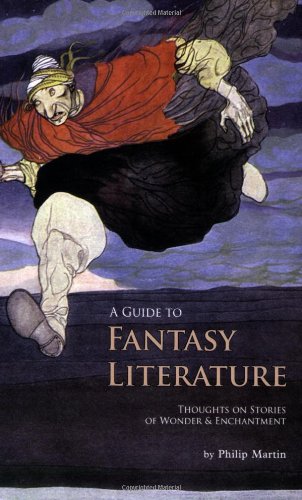
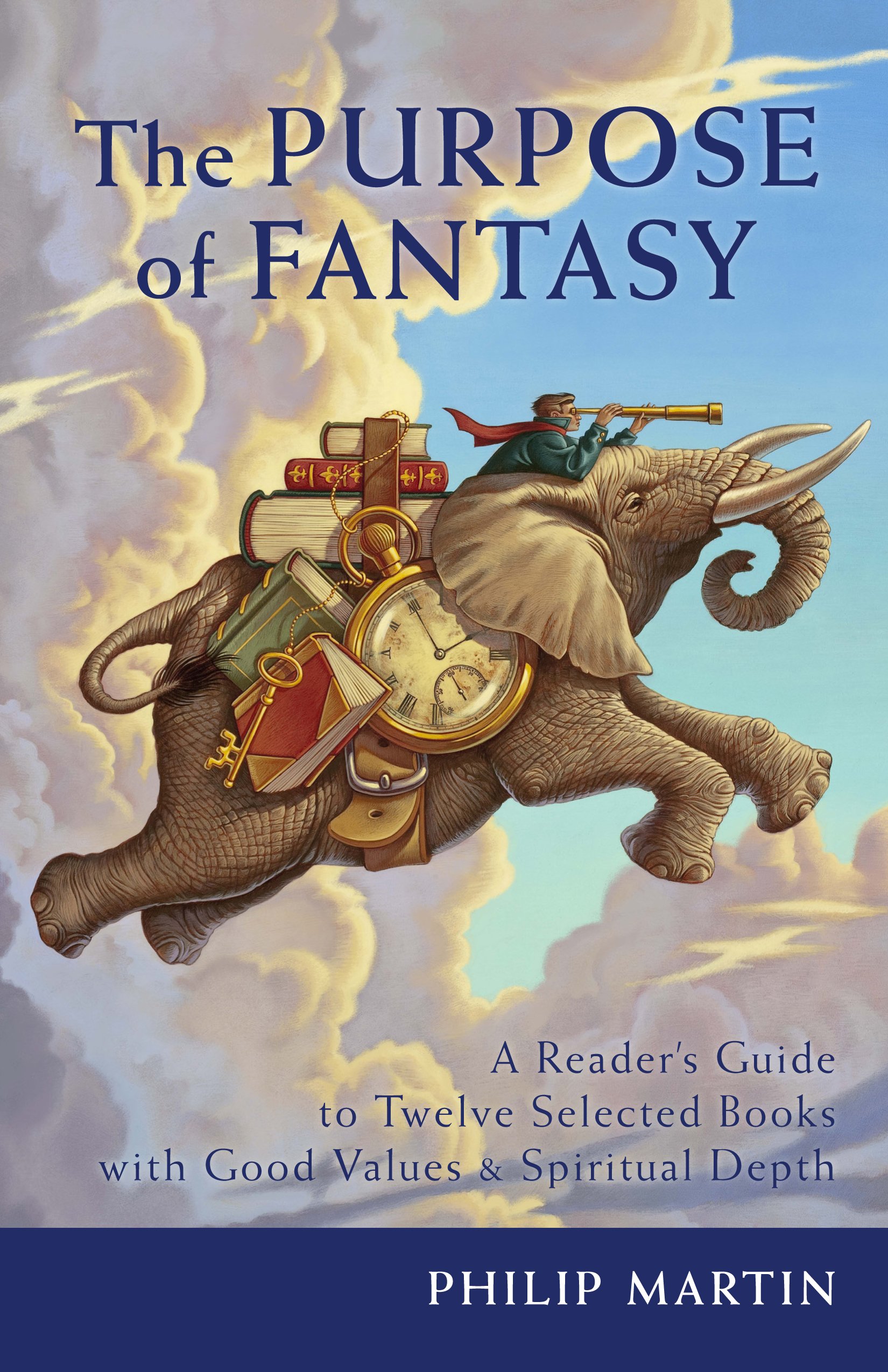
A guide to fantasy litThe Purpose of Fantasy

Fantasy Books . . . What’s in a Label?

How useful are genre labels? Book categories? Age-range banding of books for children or adults?

Affixing “labels” to writers, living or dead, is an inept procedure . . . a childish amusement of small minds. . . . at best it overemphasizes what is common to a selected group of writers, and distracts attention from what is individual (and not classifiable) in each of them, and is the element that gives them life. . . .

– J.R.R. Tolkien, in The Letters of J.R.R. Tolkien, edited by Humphrey Carpenter, 1981

Some writers do follow literary forms and genre conventions closely. Others bend the rules and break the frame with glee.

I myself have on occasion looked at labels for fantasy works (sorry, J.R.R., but it’s still a useful thought process). In my 2009 book A Guide to Fantasy, I use a paradigm of five golden rings: looking at story approaches I call high fantasy, adventure fantasy, fairy tales, magical realism, and dark fantasy.

But I see these rings of tradition as interlinked – yes, feel free to compare them to the Olympic logo! They are elastic, flexible, not exclusive.

My new book, The Purpose of Fantasy, examines the question of age-banding. Are children’s books only for children?

Certainly not. Many great authors have written books as stories to be enjoyed by anyone of any age whose heart is open to the story’s path and purpose.

As Richard Adams noted in his introduction for the 2001 edition of Watership Down:

I went from publisher to publisher and literary agent to agent. . . . They all said, in effect, the same thing: “Older children wouldn’t like it because it’s about rabbits, which they consider babyish; and younger children wouldn’t like it because it’s written in an adult style. . . .”

I thought, “Who’s talking about children? This is a book for readers of all ages.”

Watership Down, first published in 1972, became an immensely popular book for adult readers. It placed 42nd on a list of 100 of the UK’s “best-loved novels” in a 2003 survey by the BBC’s Big Read, logging in between Anne of Green Gables and The Great Gatsby. The list intelligently does not segregate children’s books from adult books.

And the grand winner, after three quarters of a million votes . . . voted the UK’s “Best-Loved Novel”:

None other than J.R.R. Tolkien’s The Lord Of The Rings.

(Pride and Prejudice bustles in at number 2).

Hmmm . . . I suspect the UK’s “Best-Loved Novel” is one label Tolkien probably wouldn’t have complained too much about!

10 Types of ancient warriors.

Hoplite_1zoom.net

Picture from 1zoom.net

The Hoplite. Normally a farmer by trade, when the call came he took up his large Hoplite shield, dons his breastplate, greaves, and helmet and marches to war.  Such warriors were the backbone of each Greek city state’s strength.  In more peaceful times they could compete in different forms of physical prowess in the Olympic games.

Spartan_mindenkilapja.hu

Picture from mindenkilapja.hu

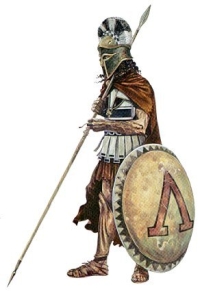
The Spartan.  Spartan society was based on one thing: war! At twelve years old each young boy was taken under the wing of an elder veteran and incorporated into the great Spartan Phalanx.  The sight of which was feared throughout Greece and Persia.  The three hundred Spartans who held the pass at Thermopylae have passed into legend.

immortal_monolith.dnsalias.org

Picture from monolith.dnsalias.org

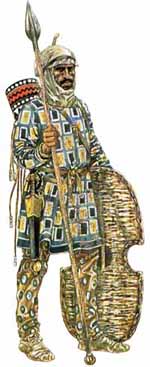
The Immortal.  The Persian Emperors finest men, the bodyguard and elite of his army were skilled with spear, blade, and bow.  This small army consisted of 10,000 warriors, never more, never less.  As soon as one died or was gravely wounded he was replaced by another of equal skill immediately so that their numbers always remained constant and thus gave the unit the impression of immortality.

Foot Companion_admirableness3.rssing.com

Picture from admirableness3.rssing.com

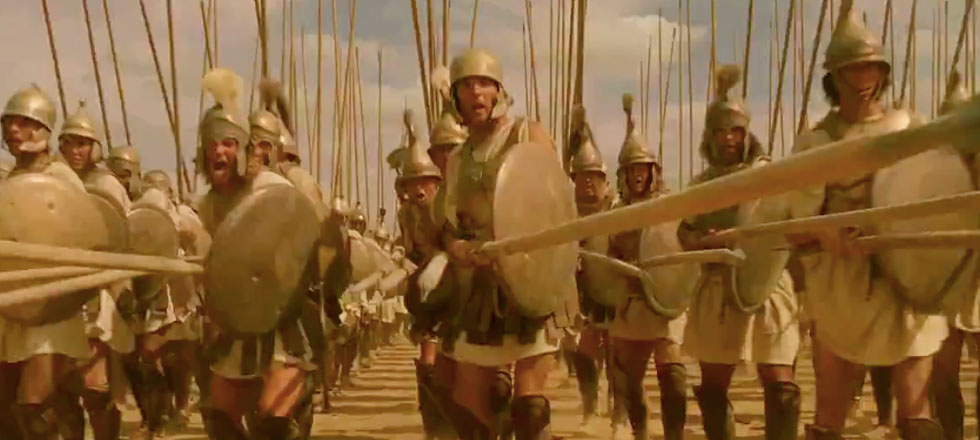
The Foot Companion.  Alexander the Great took his army of Macedonians through the Persian Empire, taking any city, and destroying all armies that stood in his path.  Key to his success were his Foot Companions, this time armed with long pikes that were so successful in pinning opposing armies so Alexanders’ cavalry and more lightly armed Shield Bearers could destroy them from the wings.

Legionary_jjwargames.blogspot.com

Picture from jjwargames.blogspot.com

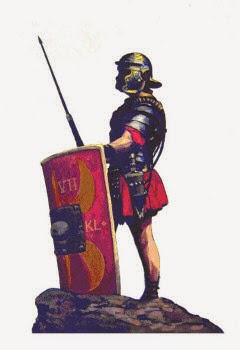
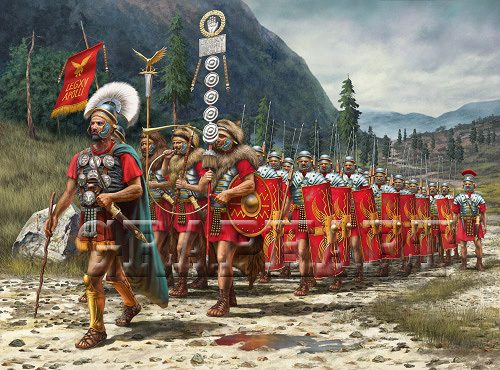
The Roman Legionary. If the Greeks and Persians were accomplished in the art of War, the Romans were the masters at it.  The greatest infantry of the ancient world made up her Legions.  Disciplined warriors adept at fighting in a unit rather than as individuals, the legions carved out an Empire that lasted hundreds of years.

Carthage_elephant_hannibalbarca.webspace.virginmedia.com

Picture from hannibalbarca.webspace.virginmedia.com

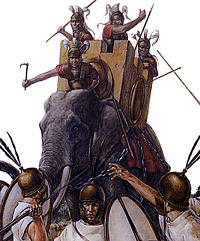
The warriors of Carthage.  The Romans didn’t always have their own way in the Mediterranean basin.  They once had a very real, and very capable rival in North Africa called Carthage.  Personified by the great Carthaginian general Hannibal who occupied great swaths of Italy for fifteen years beating countless Roman armies.  Eventually however Rome prevailed in the Punic wars, by which time their hatred of their rival ran so deep that they destroyed Carthage completely, sowed her fields with salt, and sold the populace into slavery.

Centurion-roman_legion

Picture from kja-artists.com

The Centurion.  To guide the Roman Legionaries in their tight ranks, you had the centurion in command of units of eighty men.  No equivalent position really exists in any modern army, but they were the cornerstone of the legions discipline.  No one of noble birth was allowed to serve as a centurion without relinquishing their equestrian status, so they were assigned through prowess and ability rather than birth-right.

Pict_miguel-ligero.deviantart.com

Picture from miguel-ligero.deviantart.com

The Briton.  Skin dyed blue with woad, they made a terrifying site when Julius Caesar first encountered them on the shores of the British Isles.  They were said to try and repel the invading Romans with the use of fighting dogs and war chariots.  But if they were bad, they were nothing compared to the wild Picts who lived in the far north of the country.  So barbarous were they that the Romans decided they were beyond the realms of civilisation and built a long wall across the entire nation to exclude them from the Empire.

German_necromoprhvsfellowship.blogspot.com

picture from necromoprhvsfellowship.blogspot.com

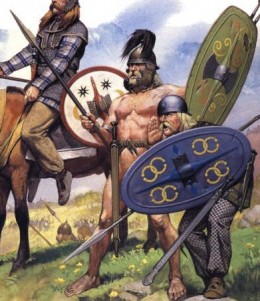
The Germanic tribes.  Unlikely to be heavily armoured due to coming from a relatively iron poor nation, they were most likely bare-chested, armed with a light throwing javelin and short one-sided chopping Sax blade and large wide shield. Ferocious in battle, the sheer physical size of the warriors was said to be prodigious and their woman often followed them to battle so they could hurl insults at their enemies.

Parthian_m.imdb.com

Picture from m.imdb.com

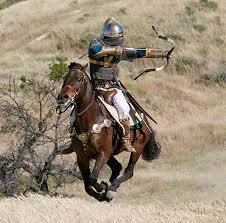
The Parthian.  Masters of the horse and bow, their trademark was the famous Parthian shot, delivered by turning in the saddle and shooting backwards at their foe once past them.  Many a Roman general found his downfall in the sands of Parthia against this skilled and cunning warrior.