Latest Posts

Sunday update! 29th June – Release date for Roman Mask. Available for Pre-order now!

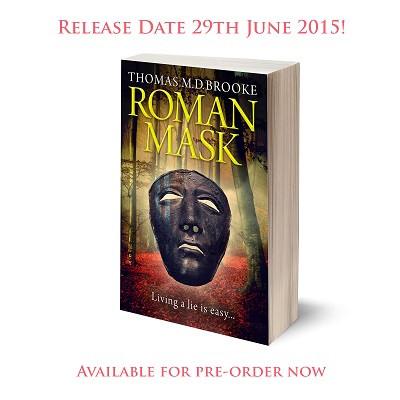
The release date in finalised, Roman Mask will be available from Monday 29th June!

It will be available from Amazon in both Kindle and Paperback.  The Kindle version is already available for Pre-order, so if you wish you can purchase the book now, and it will automatically be downloaded to your Kindle on the 29th June – who knows, you could get the very first copy!

The paperback is still being finalised so there is no pre-order function for this version, but don’t worry, it will definitely be available for sale on the 29th June as promised.

Purchase Roman Mask for Pre-order:

  • Amazon.com priced at $2.99 here.
  • Amazon.com priced at £1.99 here.
  • Amazon.de priced at €2.99 here.

It will also become available in the other regional Amazon locations around the world.  I have also setup two author pages, one on Amazon.com and the other on Amazon.co.uk.

For those of you who don’t own a Kindle, iPhone, or iPad, but instead use another E-book device (such as a Nook), you will still be able to purchase the novel, however it won’t be available until the end of September (sorry!)  The following channels will be available at this time:

  • Barnes & Noble,
  • Book Depository,
  •  Chapters,
  • IndieBound
  • Kobo

Until then, you can obviously purchase the paperback version which I have tried to price as reasonably as I can, as I want as many people to have access to the book as possible.  The Paperback version will be priced as follows.

  • USA: $14.99
  • UK: £9.99
  • Europe: €13.49

I hope that is okay for everybody?  It is quite a thick novel (388 pages) so it wasn’t really possible to make it any cheaper than this.  I will post the link as soon as it is ready on the 29th June.

The Proofs are here…

Books

I can’t explain the amazing sense of achievement you feel when you finally see your book in print for the first time.  It is the final realisation of the dream, started so long ago, finally coming true.

And finally.  I have my first review! And it’s great! Hooray!

I sent a review copy to a few authors and papers, in the hope of getting my work reviewed and David Roberts, the Author of Sweet Poison and the Corinth crime novels has very kindly come back with a response already!  He says:

 ‘Thomas Brooke brings vividly alive the Rome of Augustus Caesar. Violent, sex obsessed – not unlike our own century – we see the savage pleasures of the ancient world through the eyes of a charming rake back from the wars with a not entirely justified reputation for heroism.

Brooke’s debut is an undoubted success. I thoroughly enjoyed Roman Mask  – the first of a series, I hope.’

David Roberts, Author of Sweet Poison and The Corinth crime novels.

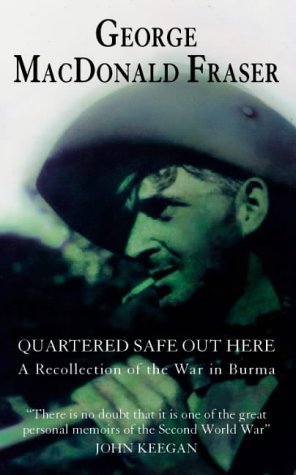
Quartered Safe out here! George McDonald Fraser

It isn’t an historical novel this time, but a genuine recollection of wartime experiences, by one of my favourite authors, George McDonald Fraser, who sadly passed in 2008.  I was moved to read it, not only because I like his unorthodox writing, but also because this book documents the British campaign in Burma, which my grandfather also took part.

It chronicles the fascinating story of the British campaign as they first repelled and then all but destroyed two Japanese armies as the British liberated Burma from under Japanese control.  Fraser came late to the war, due to his youth, so we miss the earlier part of the campaign when the British successfully prevented the Japanese from reaching India and takes up the tale in 1945 when the British finally took the upper hand in the struggle for supremacy.

Fraser’s recollections, by his own admission, are sometimes sketchy but it actually makes for fascinating reading finding out the parts he recollects, and others that he doesn’t.  For example, he remembers virtually every minute of a battle, at a temple wood, that is not recorded anywhere else, but very little of the liberation of a major town in the area, where he was also present, which is well documented in many military histories.  The reason the second was recorded and not the first was that the latter had strategic importance, whilst the former – despite proving much more dramatic to Fraser’s mind – held none.  It shows that if you ever want to write an authentic historical novel on any military period, you needn’t limit yourself to the major engagements or those of strategic value, because often what is more real and life-threatening to the soldiers fighting a campaign are long forgotten engagements that are rarely recorded anywhere.

His story centres on the Border regiment in Burma and the close-nit unit of Cumbrian solders that comprised his platoon.  He recounts his comrades dialogue, using their strong colloquial phrases, which were relatively easy for me to understand as I spend so much time in Northumberland (which for those that don’t know is the county next to Cumberland) but might prove more challenging to others, and Lord alone knows what readers from the United States would think if they ever chose to read this very British retelling of the later part of the second world war.

His story is told with complete honesty and a no holds barred recount of what he was feeling then and now.  This is why it will be difficult for many modern readers.  He explains how he felt about the Japanese at the time and how that resentment lasted him into his old age.  He also rails against the modern world, and often trails off into sermons explaining how his generation felt betrayed by modern politicians and their politically correct attitudes.  This I found difficult reading too, and certainly less interesting, however that is what this book is all about – it is a warts and all recollection of his wartime experience and he doesn’t need, nor even want, the approval of anyone, he just wanted to retell the amazing story of the Cumbrian companions journey through the later part of the second world war.

After reading this book, I really feel that I have a better understanding of what my own grandfather must have experienced during his service in Burma.  I can’t help but think that he would also have quite liked George McDonald Fraser, warts and all.

This book can be purchased at Amazon here.

Ten types of evil henchmen!

The Assassin.  This silent killer is cold and dispassionate.  Prefers to stand in the shadows until called upon by their master to despatch an unfortunate victim.  The first time you see their face may also be the last thing you ever see.

bodyguard

The bodyguard.  Forever trailing their master, whose personal safety is their only concern.  Their loyalty is unquestionable and so they can be relied upon to partake in any evil deed their master demands.

street tough

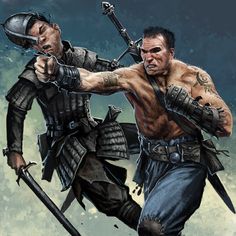
The street tough.  Handy with their fists and unafraid of any brawl, they are often found in the seediest of bars.  Not renowned for their intelligence, they are still a useful resource if hired muscle is all you need to put some pressure on a competitor or rival.

torturer

The Torturer.  Sometimes information is more valuable than gold.  If you need to extract anything from a victim before bumping them off, a reliable torturer is essential.  No other henchmen can instil as much fear as someone who specialises in giving pain.  The best torturers will also be adapt at keeping a victim alive as long as possible so don’t expect a quick end to your ordeal if you find yourself under their care.

evil genius

The silent genius.  Often a bad guy or gang leader will have plenty of ambition, money, power, and influence, but will lack one particular skill.  For this he will turn to his tame genius, who can fill that hole – be that cracking codes, calculating complicated mathematics, hacking a computer, or some other essential skill for their master.

Gangsters moll

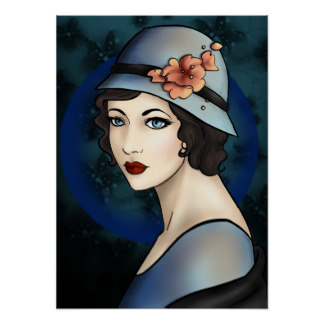
The gangster’s moll.  How can you love someone so obviously evil and dastardly?  Well, quite easily if the gamester’s moll is anything to go by!  Treated to the finest clothes and luxuries, bedecked with jewellery and money, they only need to turn a blind eye to where it all comes from…

magician

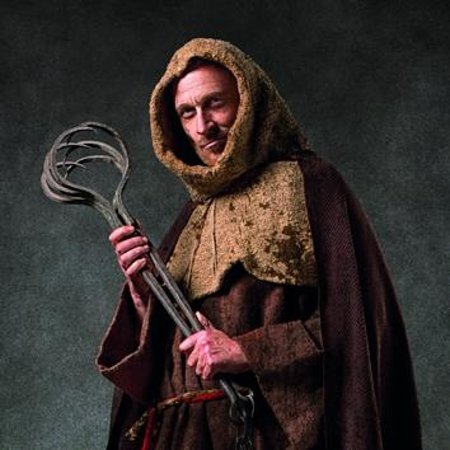
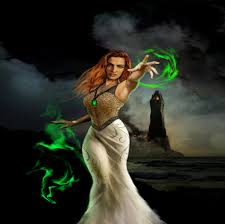
The Magician.  Their mastery of the arcane arts can prove a valuable asset to any bad guy.  Magic can take many different forms but all require a lifetime of study – this is why many magicians are content to remain the power behind the throne, rather than take the lead themselves.

The Freak of nature

The freak of nature.  This henchmen has a physical oddity or disfigurement that can be used to their masters benefit.  Some will have a metal arm or teeth, others prodigious strength or be impervious to pain.  Made most famous by the Bond villains both old and new.

servant

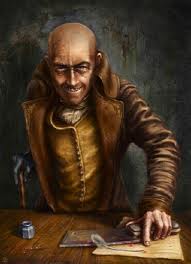
The brow-beaten servant.  Mistreated and down-trodden, their loyalty to their master is still unflinching.  Can be relied upon to fulfil any number of odious tasks as they follow their master unequivocally – grave robbing, corpse disposal, puppy killer, you name it.

the Champion

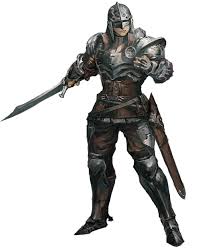
The Champion.  Master of the blade or other weapon of choice, the champion is unbeatable at his chosen discipline.  Uninterested in taking charge or becoming a boss themselves, they instead dedicate themselves entirely to their marshal prowess, to remain unbeaten in any duel or contest.

Roman Mask Sunday Update

Okay! Almost there now!  The map is now done- Hooray!

I wasn’t sure at first whether I wanted a map for my novel or not, after all we’re all familiar with the general geography of Europe.  However, the names of the countries have obviously changed and I decided I needed to at least display the locations portrayed in the narrative of the book.  It is not an all-encompassing version of the Roman world, I could have gone into a lot more detail, but I thought that might make it difficult to locate the important destinations discussed in the novel.

I thought long and hard about whether to add the mountains or not – the map is just a reference point for the reader, so was this necessary?  I decided that as one section of the Alps plays a not-insignificant role in the novel, I had better put them in.  However, I thought drawing small little trees to represent the Teutoburg forest was a step too far, and instead just marked it on the map.

There might be the odd town mentioned in the book not shown on the map, but nothing significant to the story.  I hope the map helps the readers, and I now think it would have been a shame not to have one, especially for the paperback version of the book.

As for other news, I am in the beginning stages of arranging a tour of historical blogs, writing guest posts, getting reviews, conducting interviews etc.  This is penciled in for August, and is to help me promote my book.  I have no details at all yet, but as soon as I have some more information, I’ll let you know via the usual Sunday update.

It’s still looking good for a release date at the end of June – getting really excited now!

dfw-tb-trm-cover-3d-nologo

Brian Staveley ‘The Emperor’s Blades’

Most novels are written from a single point of view, one character’s journey through a story, chronicling their experiences and the people they encounter.  When you start a writing career you are often told the importance of concentrating on one particular character – and it is good advice too – so you don’t get distracted and have your story ruined by becoming periodically side-tracked.

However writing is constantly changing and these days it’s not uncommon to see novels told from several different points of view.  Nowhere is this trait more apparent than in the fantasy genre, where the astonishing success of Games of Thrones has shown that the modern reader can follow multiple characters over a wide expansive storyline, providing that each character is unique and thoroughly developed into their own personality.

Brian Staveley’s new series ‘The Unhewn Throne’, which starts with the novel ‘The Emperor’s Blades’ follows three completely different storylines.  The plot centres on three young adults, the offspring of the ruler of the mythical Annurian Empire, and how their lives are effected by his untimely death.  Each sibling is separated from the other by thousands of miles, so each story is completely independent of one another.

The first character is Kaden, heir to the Emperor’s throne, and he is brought up and trained by an order of monks in a strict minimalist regime that makes even the strictest boarding-school seem like a holiday-park.  It is at this isolated monastery that the heir to the Empire learns the meditation techniques necessary to combat the mythical Csestriim –beings who once enslaved humanity.  The Author Brian Staveley puts his knowledge of meditation to good use here, as he explains the methods used to empty one’s mind of distractions and emotions.

If that sounds a little slow paced for you, don’t worry, because the next sibling’s story couldn’t be more different as the younger brother Valyn is trained in one of the Empire’s elite military units that fly mammoth birds of prey called Kettral.  Valyn’s story is full of action as he attempts to uncover a plot on his life as his enemies attempt to destabilise the Empire.

The final storyline comes from the brother’s sister Adare, as she takes a senior role in the running of the Empire’s government, in the nation’s capital, as the plot threads its way through the entire Empire.

The three storylines only start to converge towards the end of the novel and it will be interesting to see how Brian Staveley combines these storylines in the second novel ‘The Providence of Fire’.  This series has got off to a promising start and I look forward to finding out.

10 Types of Bad guys!

lord 2

The Lord of the Manor – “What shall we do with the scullery maid we found reading a book, Lord Dastardly?”

“Have her dismissed, force her parents off my land, and send her brothers and sisters to the local poor-house.  That should stop her getting ideas above her station…”

You can’t beat the arrogance and sense of entitlement of the English Lord and Lady, unless…..

Longshanks

The mean King – Unless he is the king of course! The English normally supply most these bad guys as well, and you have plenty to choose between.  From Edward 1st ‘Hammer of the Scots’, Richard III locking his nephews in the Tower (then murdering them), to Henry VIII and his severance package for estranged wives.

emperor 2

The decadent Emperor – Ancient Rome with all its wealth and power needs a good insane Emperor to keep things ticking along.  Making a horse a senator (Caligula), killing his mother (Nero), or being deluded into thinking he was Hercules (Commodus), you have plenty to choose from, and that’s just Rome… Ancient China, The British Empire, all have their fair share.

 Vikings

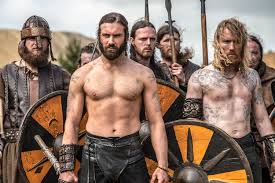
The marauding barbarian – He can come in many forms, be it a golden haired warrior of the goths, a Vandal from the East, or a bearded Viking disgorging from his dragon boat.  But whatever guise, he represents the pagan past and a return to the darkness from enlightenment.  Uncaring of accumulated knowledge, or any form of learning, he will leave only a path of destruction wherever he treads.

Nazi

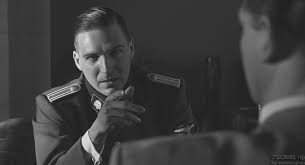
The Nazi – Cold, calculating, and sinister, but above all else without pity or empathy.  The SS uniform or Gestapo long coat will still send a shiver down the spine.  Nightmares and tragic stories lie behind that cold implacable face of blonde hair and blue eyes.   This is no pantomime bad guy, a real lesson from history lies here.

Spoilt brat

The spoiled brat – ‘Spoil the child, ruin the man’ the saying goes and when you add in absolute power and a coterie of yes men to a completely pampered upbringing you have a recipe for disaster.  Their own perceived self-importance normally leads to overwhelming selfishness and childlike cruelty, and sympathy for their upbringing soon runs dry when you see what they are capable of.

priest

The self-righteous – it’s always astonishing how much evil can be achieved in the name of good.  Women burnt as witches, children beaten to remove their imagined ‘wickedness’, any number of heinous crimes justified in the name of their god or faith.  The danger of the self-righteous is that everything they do is with a religious zeal, so don’t expect any half measures.

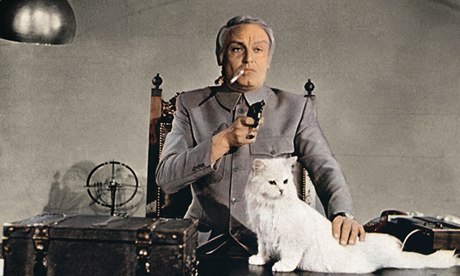
Ernst Stavro Blofeld in the film adaptation of Diamonds Are Forever

The Bond villain – Okay, a bit obvious this one, but how can you leave it off the list?  A good Bond villain needs to be suitably eccentric, preferably with a distinguishing feature – be that a pet cat (Blofeld), or a physical impairment such as metal hands (Dr No).

Sauron

The unseen menace – Difficult to pull this one off, but if done well is very effective.  The Lord of the Rings’ Dark Lord is a great example – showing that a distant malevolence can be just as effective as anything more immediate.  This is because the reader’s imagination, given the right prompting, can conjure up something just as terrible as anything the writer can describe.

 Slave owner

The slave owner – anyone capable of buying and selling human beings as a commodity is liable to be capable of anything towards those same people.  The de-humanising effect of slavery will mean that the slave-owner will think nothing of whatever cruel punishment is met out to their slaves as they toil in the hot sun, or are forced into other forms of back-breaking labour.

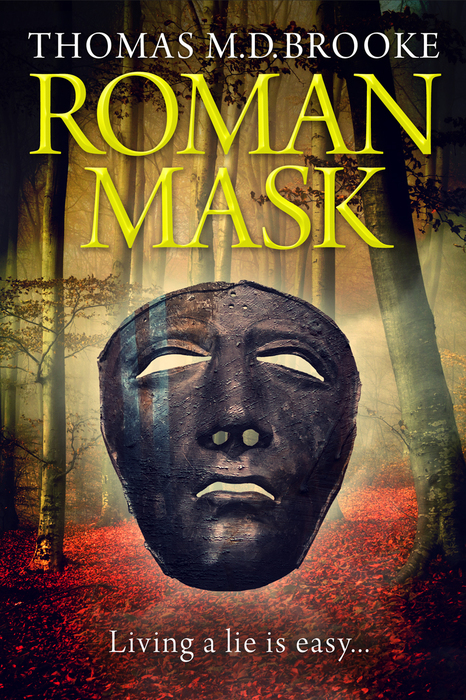
The front cover is now done! The story behind the design. Sunday update

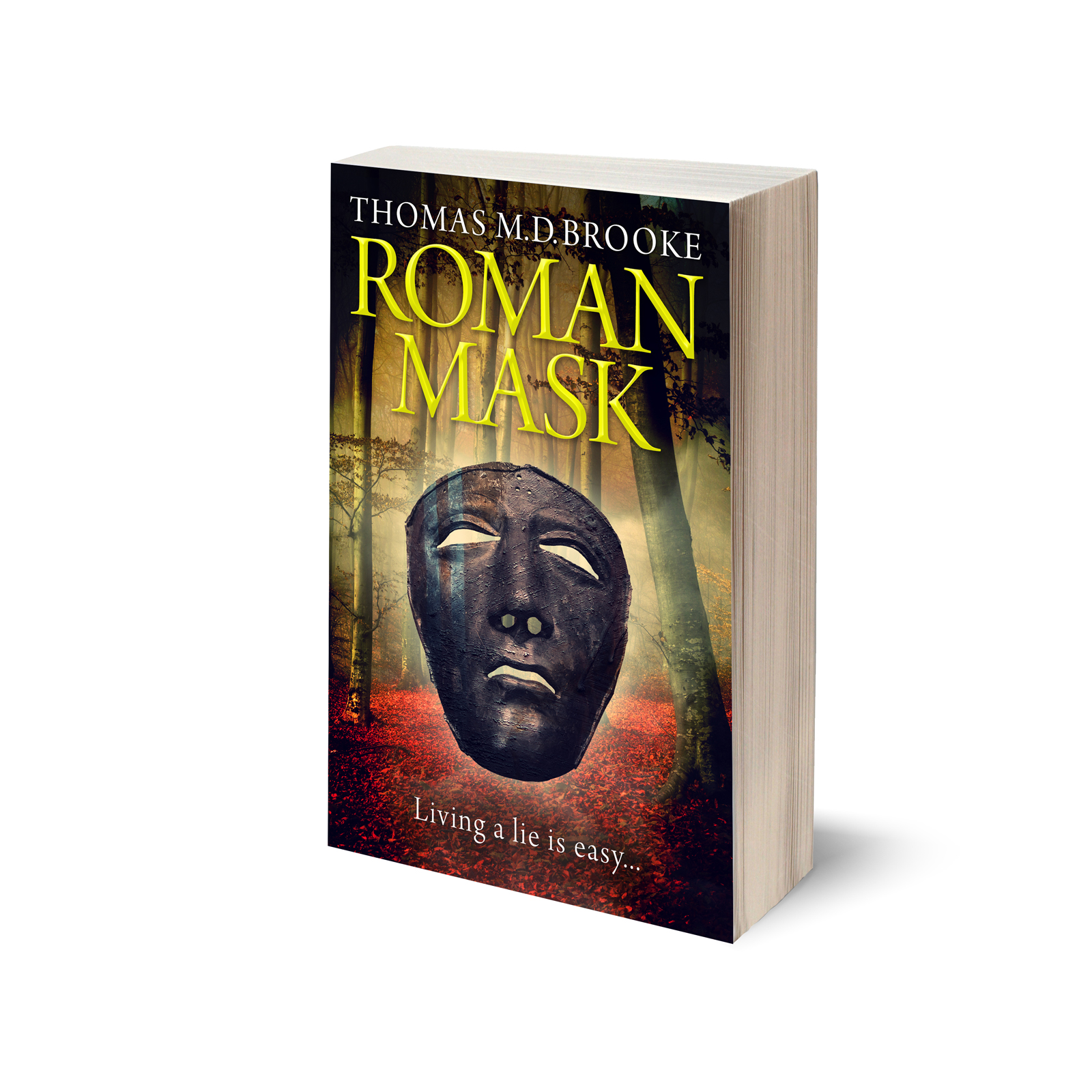
The design for my book cover is finally done! Hooray!  Do you like it?  I hope so, as I am really pleased with it.  The design has been achieved through a collaboration with ‘Design for writers’ a design company based in Ireland who specialise in book covers.

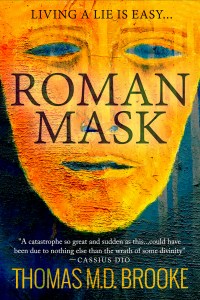
To understand how the design came about, I thought I would explain the thinking behind it, and how it came to pass.  Back in 2014, when I knew my book was just about ready to publish, I began thinking about the front cover for my novel.  My first thought was, ‘Great! I’ll do it myself!’

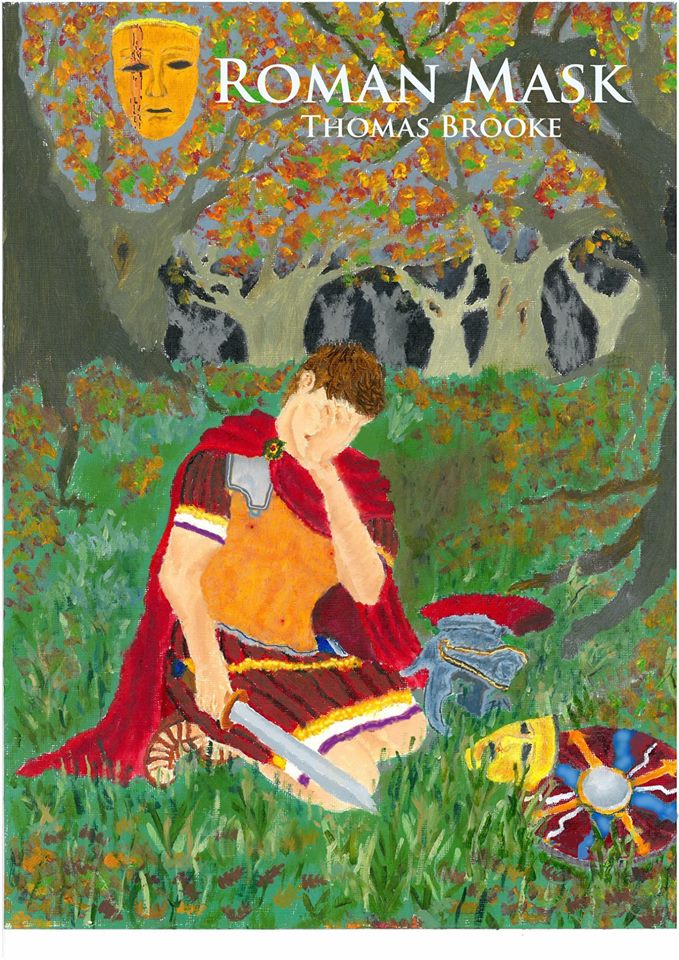
There was one huge problem with this plan…I hadn’t painted anything in my adult life, and even at school I don’t remember doing any painting of note – but that might be because by fourteen I moved into fabric printing (girls were prettier in that class) so never got to try painting.   However, undaunted, after buying an oil-set and a few brushes, I started off on a few practice pieces.  My confidence grew, until I felt confident enough to make a first stab at a new cover.  This is what I came up with…

facebook

This confirmed a few things to me.

  1. I was not very good at painting.
  2. The design is too busy and complex.
  3. If I was going to do this, my limitations as a painter required me to find a simpler design and one with more impact.
  4. The best bit about this painting was the small mask next to the title.

So I tried again…..and came up with this.

cover

Okay, this was better…but still no cigar.  It confirmed a couple of things.

  1. I was never going to be a good enough painter to do this alone.
  2. I needed professional help.

So I got in contact with ‘Design for writers’.  They told me they would try and incorporate my design if they could, and use it for the cover.  Great I thought! I might still make the cover.  They took my second painting and came up with this.

Design1

Okay, this was better.  It could almost be a Roman mural similar to the paintings I saw on the buildings in Pompeii a few years ago, but there was one obvious issue:

  1. My painting is what is holding back the design.

So what do I do?  I could be stubborn and forge ahead with one of my own paintings, regardless of the consequences.  But I realised the folly of this approach: I had spent years learning to write, but I’d only been painting for six months – whether I liked it or not, my writing could be judged on my cover, so I needed to admit defeat and come up with something different.

Fortunately, the guys at ‘Design for writers’ managed to find an image from Creative Commons (who very kindly allowed us to use it) of the actual mask found in Kalkriese, the archaeological site of the battle of Teutoburg.  My painting was based on another image of this same mask, and I am delighted that we could use a genuine artefact from the battle that is at the heart of my novel.  We added some texture to the image and on my direction gave the mask an earthy colour in order to blend in with the background imagery.

finished cover

So that’s it!  Finally the finished Cover! I hope you like it?  And if you don’t…..well, I’m sorry – this cover journey has taken me nine months, it’s time I moved on!

The next step for the book is the map, let’s hope this is more straightforward!  The book is still on track to be released at the end of June….

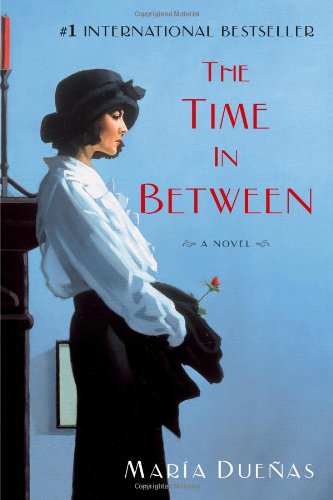
The Time in Between – Maria Duenas

For those who know me, they will think this is a very unusual book for me to write about – normally the novels I read involve a few castles, plenty of sword fighting, and possibly a great battle or two.  Well, this novel couldn’t be further away from that, but after having it recommended by a friend, I gave it a go and really enjoyed it.

The novel describes the life of a young Spanish seamstress, and starts during the build-up to the Spanish civil war of the 1930’s.  She then travels to Morocco, which was a Spanish protectorate at the time, and retells her gradual reluctant involvement as Franco’s nationalists gain the upper hand under the influence of the Nazi’s.  Finally, as the second world war erupts, she returns to Spain and Portugal after being recruited by the British Secret Intelligence, in a bid to keep Spain from joining the conflict on the Axis’ side.

The great strength of this novel is the depiction of the seamstress.  She is neither politically active or motivated by moral zeal, just an ordinary girl who gets swept into the turbulent events of the period.  At times in the story she shows great bravery and resourcefulness, but without any bravado or false arrogance, and she never tries to hide her fear of being followed or the terror of discovery.  The strain of the double life she leads is also well told, showing the pressures that living under a false identity can put someone under; constantly living a lie and forgetting who they really are.

The novel is well written and full of descriptions of life in the Moroccan Protectorate, war ravaged Spain, and the tight tension of war-time Portugal.   It is so well done, you really get a feel for the atmosphere and flavour of the countries described.  I slowly gained an understanding of a time and place in history that I previously knew very little about, and an appreciation of the bravery of the Spanish S.O.E agents that helped the British in these times.  Knowledge mixed with excitement – isn’t that what all historical novels should be?

The novel can be found at Amazon here.

This novel is also published in the UK as The Seamstress.

The Seamstress - Maria Duenas

10 Types of Magic

What is it that separates fantasy novels from other genres? Most fantasy novels are set on mythical worlds straight from the author’s imagination, some inhabited by outlandish beasts, or strange and mysterious semi-human dwellers.  But what really defines and holds these worlds together is the existence of magic.  If I were to list them all, it would stretch into the thousands, so I won’t do that – but here are ten of them.
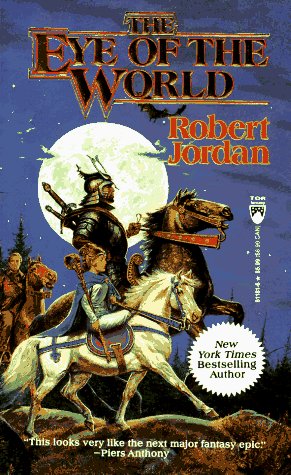
Robert Jordan

Robert Jordan – The Wheel of Time series.  There are two types of magic here – Saidin and Saidar.  The first is wielded by men, the second women. The Magic is drawn into different weaves to create new flows of magic – except that the taint on the male side has the unfortunate side effect of leaving men who use it mad after prolonged use…
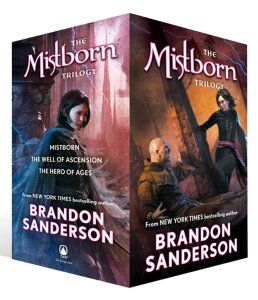
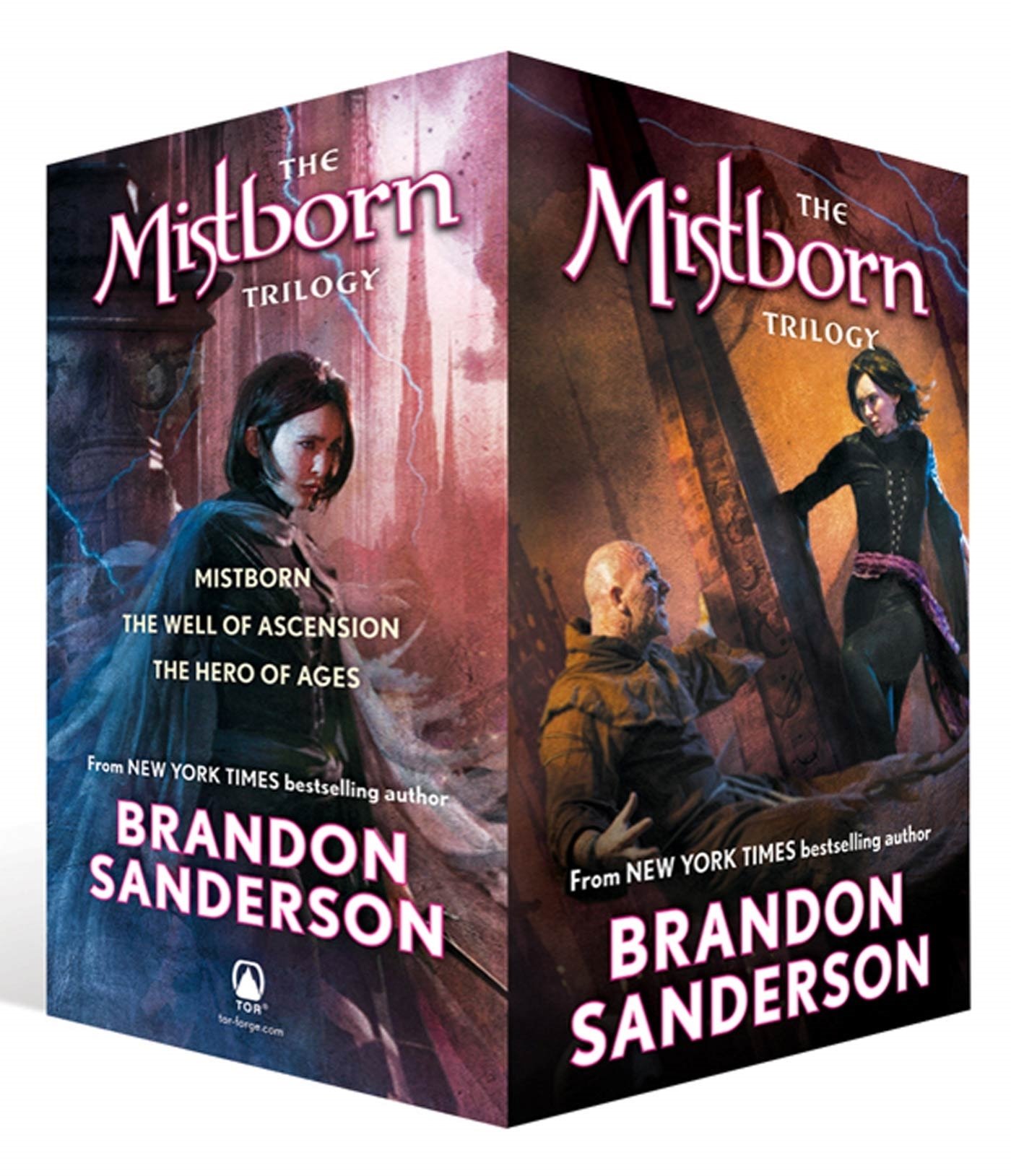
mistborn

Brandon Sanderson – The Mistborn series and Allomancy.  The presence of metals can be used within the wielders own blood stream or outside the body to startling effects – being able to repel themselves from a steel nail or Iron fence to leap across buildings or propelled across the land.  Think of the magnetic force of two magnets repelling each other and you’re half way there.

game of thrones

George R.R. Martin Game of Thrones.  Known as the higher mysteries in Westeros most forms of magic were failing and users considered little more than charlatans or tricksters….until dragons returned to the land, then all the higher mysteries started to regain their power.  The higher mysteries take many forms, Kings blood can be used to set a curse, Warg magic can be used to take control of the minds of animals or beasts, and both R’hllor the lord of light and the dark god of the white walkers have the useful skill of being able bring back the dead.

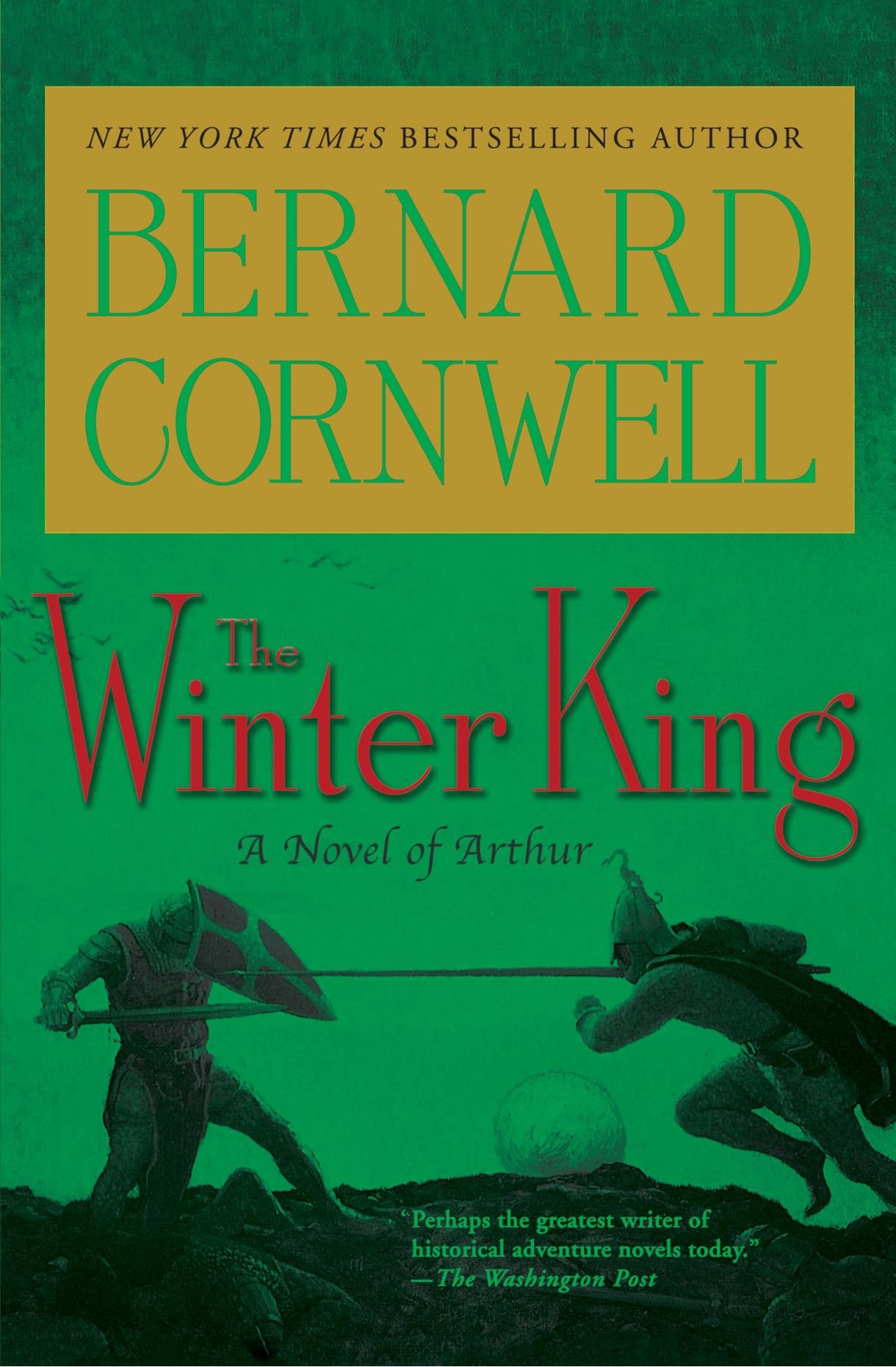
The Winter King

Bernard Cornwell – The Winter King.  This Arthurian legend is set in our own world, and therefore quite appropriately the magic in these novels take a realistic form that is still believable to the modern reader.  Therefore Merlin is a druid, who uses magical scrolls and cauldrons to issue curses or invoke prophesies.  No puffs of magic or dramatic fireballs here…

stormlight archives

Brandon Sanderson – The Stormlight Archive.  You have to hand it to Sanderson, he is good at creating new and original types of magic.  In this series, his world is full of Spren, magical spirits that float around the land and are (mostly) ignored by the inhabitants.  However the magic that embody the Spren can be harnessed by the Knights Radiant and their gifts bent to their will.  Magical storms that scour the land regularly, make an interesting backdrop too.
david Eddings

David Eddings – The Belgariad. The will and the world.  There are only a few sorcerers on the world of the Belgariad, but they have the fortunate trait of immortality.  They also have the ability of the will and the word.  They can concentrate on an item, gather their will and form the idea of what they want it to do, then on a command or word, execute that thought.  So….you see a rock, gather your will, command ‘Explode’ and POW!

farseer trilogy

Robin Hobb, The Farseer Trilogy.  Robin Hobb divides the magic of the Three Kingdoms in her series into two parts – The Skill and The Wit.  The first one is used by the monarchs from the ruling family: The Farseers.  The Skill gives the Farseers communication over long distances, far-sight so they can see events from afar and even dominion over other people’s minds.  The Wit is considered a base magic, dirty and soiled, and is the ability to communicate with animals and join minds with them.  However, the very highest level of magic can only be achieved by combining the two forms of magic…

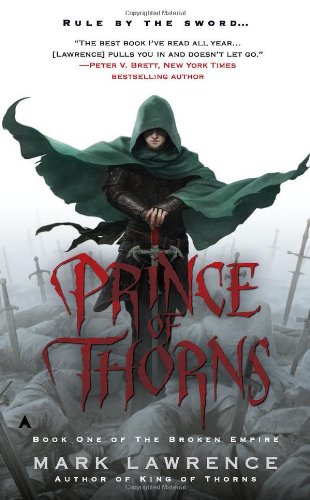
prince of thorns

Mark Lawrence – The Broken Empire series – Lawerence’s fantasy novels are set in a post-apocalyptic world, where the physical attributes of their world have been altered so that strength of will alone can alter the laws of physics.  This leads to very powerful sorcerers who have harnessed this ability to dominate the land behind puppet kings in an ever-lasting struggle for dominion.
soldier son

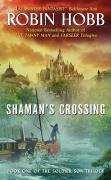
Robin Hobb – The Soldier Son series.  This fantasy world is unusual in that it is set in a land of cannons and muskets, rather than swords and shields, but still magic abounds, and in particular the forest mages of the aboriginal inhabitants of the forest as they strive to hold off the incursions of the industrial soldiers and their magic destroying Iron weapons.  Forest mages fill themselves up with magic, until they become grossly fat, and dispense the magic in the form of a dance.  Certainly one of the more usual types of magic…

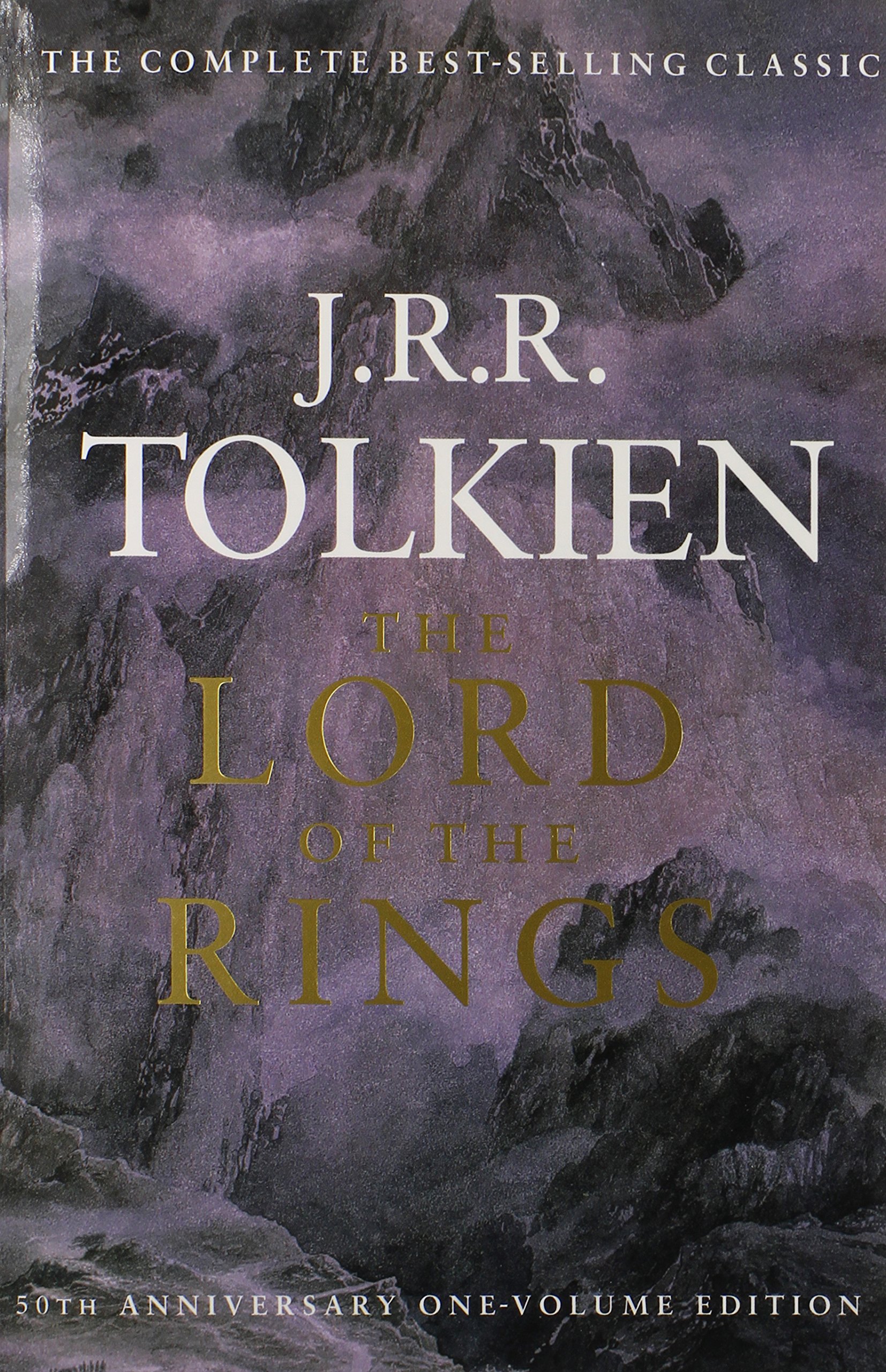
The Lord of the Rings

J.R.R Tolkien – The Lord of the Rings.  Most of Middle Earth’s magic is bound up in the rings of power crafted by the Elves of Eregion under the guidance of Sauron.  Three rings for the Elves, seven for the Dwarves, and nine for Men.  Great wonders were created with these rings, from the golden woods of Lothlorien to the halls of Rivendell.  Unfortunately Sauron didn’t turn out to be quite so benevolent a tutor after all and created one ring for himself, one ring to rule them all, one ring to find them all, one ring to bring them all, and in the darkness bind them…
A quick update on my novel

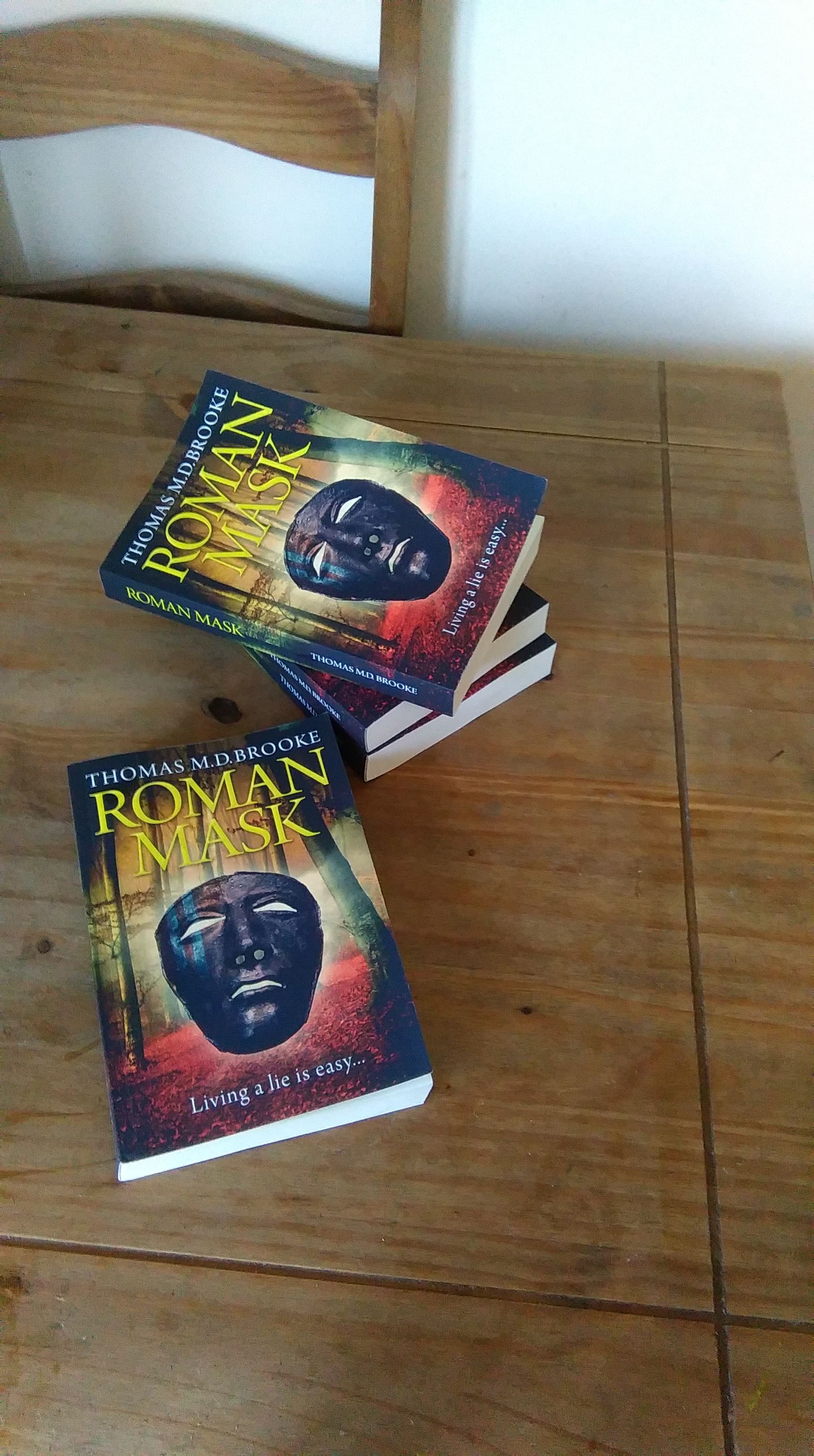
Okay, I don’t want to drive everyone crazy by sending endless updates on my forthcoming novel – and I think I will limit my news on this subject to only Sunday from now on – but it is beginning to get quite exciting as I received the first review copies of the paperback version of my novel yesterday.  It’s not the finished article yet, I don’t have my finalised cover, so on the front of the review copy I only have one of my own paintings – I’m only a limited painter, and as much as I enjoy painting, I realised that I’d need a professionally produced artwork for the cover of my novel.  I should see the initial designs next week hopefully.  This is being done by a company in Ireland called ‘Design for writers’, but they have said they will try and incorporate one of my paintings into the design if they can, so you never know…I may get on the front cover of my own book after all!

Even so, finalised version or not, it is still immensely exciting to see my work professionally bound and printed, standing proud on my bookshelf.

The reason I ordered these review copies, is so I can try and send it off to someone to review my novel – I hear it is anything but straightforward to find a recognised reviewer to critique a work, so if anyone knows of any reviewers who will accept an advanced review copy of my novel, and cater for historical novels, please get in touch (you can use the contact me tab of my site).  I will be very grateful for any help in this regard.

I’m still hoping for a release date at the end of June, but there is still so much to do – and everything seems to take longer than you’d think.  Either way, you’ll find out here first, and on a Sunday so my excitement on the project doesn’t overspill and disrupts anyone’s week.  That’s all for now, I’ll be returning to my blogs on historical writing and fantasy novels later this week.  Speak soon!